When your Valor fireplace pilot light stops working, it can feel frustrating and confusing. A pilot light is a small flame that stays lit inside your gas fireplace. It’s important because it starts the main burners when you want heat. Without it, your fireplace won’t work, and you might worry about safety or comfort. Many people face this problem, but few understand what causes it or how to fix it.
This article will help you understand why your Valor fireplace’s pilot light isn’t working. We’ll cover common causes, troubleshooting steps, safety tips, and when to call a professional. You’ll learn how to check components, compare solutions, and avoid mistakes. By the end, you’ll feel more confident about handling pilot light issues and keeping your fireplace safe and reliable.
What Is A Valor Fireplace Pilot Light?
A pilot light is a small gas flame inside your Valor fireplace. It stays on all the time, ready to ignite the main burners when you turn on the fireplace. This system is used in most gas fireplaces, including Valor models. Some newer Valor units have electronic ignition, but many still rely on a traditional pilot light.
The pilot light has three main jobs:
- It lights the main burners when you want heat.
- It helps prevent gas leaks by shutting off gas if the flame goes out.
- It keeps the fireplace ready for quick use.
The pilot light works together with safety devices like the thermocouple or thermopile. These parts sense heat from the flame and control gas flow. If the pilot light goes out or stops working, the fireplace will not turn on.
How Does The Pilot Light Work?
Understanding how the pilot light works can help you find problems and fix them. In a Valor fireplace, the pilot light is connected to a gas supply and a safety system.
When you press the ignition button or turn the control knob:
- Gas flows to the pilot burner.
- The pilot light ignites (either manually or with a spark).
- The thermocouple/thermopile senses the flame. If the flame is hot enough, it sends a signal to keep the gas valve open.
- The main burners can now ignite when you turn on the fireplace.
If anything in this chain fails—like no gas, a faulty thermocouple, or dirty burner—the pilot light won’t stay lit.
Common Reasons Why The Pilot Light Stops Working
Several issues can cause the pilot light in a Valor fireplace to fail. Here are the most frequent problems:
- Dirty Pilot Burner: Dust, spider webs, or debris can block the gas flow.
- Faulty Thermocouple or Thermopile: These parts can wear out or become misaligned.
- Gas Supply Issues: Low gas pressure or a closed valve stops the flame.
- Bad Ignition System: The spark igniter might be broken or weak.
- Drafts or Airflow Problems: Wind or ventilation can blow out the pilot flame.
- Loose Connections: Wires or gas lines may come loose from vibration or age.
- Valve Problems: The gas valve might not open properly.
Let’s look deeper at each cause and how to spot them.
Dirty Pilot Burner
A dirty pilot burner is one of the most common reasons for failure. Small insects, dust, or lint can block the tiny gas openings. When blocked, the flame is weak or won’t ignite. If you see a small, yellow, flickering flame instead of a steady blue one, dirt is likely the problem.
Faulty Thermocouple Or Thermopile
The thermocouple (in older models) or thermopile (in newer models) senses heat from the pilot flame. If it does not sense enough heat, it shuts off the gas as a safety measure. Over time, these parts can wear out or move out of position. If the pilot flame lights but goes out quickly, the thermocouple or thermopile is often the cause.
Gas Supply Issues
A closed gas valve, low pressure, or kinked gas line can stop gas from reaching the pilot burner. If the flame won’t light at all, check that the gas supply is open and working.
Bad Ignition System
If your Valor fireplace uses a spark igniter, a weak or broken igniter can prevent the pilot light from starting. You may hear clicking but see no spark, or the spark is too weak to ignite gas.
Drafts Or Airflow Problems
Strong air drafts, open windows, or poor venting can blow out the pilot flame. This is common in fireplaces installed near exterior doors or windows.
Loose Connections
Over time, wires and gas fittings can loosen. If connections are not tight, the system may fail to send signals or gas.
Valve Problems
The gas control valve controls gas flow to the pilot and main burners. If it’s stuck, dirty, or broken, it may not open correctly.
Troubleshooting Steps For Valor Fireplace Pilot Light
Before calling a technician, you can try several troubleshooting steps. Always read your Valor fireplace manual and follow safety tips. If you smell gas or feel unsure, stop and call a professional.
Step 1: Check Gas Supply
- Make sure the main gas valve is fully open.
- Check for kinks or bends in the gas line.
- If you use propane, ensure the tank is not empty.
- Look for signs of leaks (smell gas, hear hissing).
Step 2: Inspect The Pilot Burner
- Remove the glass panel or access door, as described in your manual.
- Look at the pilot burner. Is it dirty, dusty, or blocked?
- Use a soft brush or compressed air to clean the burner gently.
- Never use sharp tools—they can damage the burner.
Step 3: Test Ignition System
- Press the ignition button or turn the control knob to “pilot.”
- Watch for a strong spark. If you see no spark, check the igniter wire for damage.
- Replace the igniter if needed.
Step 4: Examine Thermocouple/thermopile
- Find the thermocouple or thermopile near the pilot flame.
- Make sure it’s positioned so the flame touches it fully.
- If it’s dirty, clean it with a soft cloth.
- If the pilot lights but goes out after a few seconds, the thermocouple may be faulty. Replacement is often easy and affordable.
Step 5: Check For Drafts
- Close windows and doors near the fireplace.
- Check venting and chimney for blockages.
- If drafts continue, consider moving the fireplace or adding wind barriers.
Step 6: Inspect Connections
- Look at all wires and gas fittings.
- Tighten loose connections gently.
- If wires are corroded or broken, replace them.
Step 7: Test The Gas Valve
- Make sure the gas valve moves smoothly.
- If it feels stuck or leaks, call a technician for replacement.
Safety Tips Before You Start Repairs
Working with gas fireplaces can be dangerous if you don’t follow safety rules. Here are some important tips:
- Turn off the gas supply before any repair.
- Wait for all parts to cool before touching.
- Never use flammable cleaners near the pilot light.
- Wear gloves and eye protection.
- If you smell gas, leave the area and call your gas company.
When To Call A Professional
Some problems are simple, but others need expert help. Call a Valor-certified technician if:
- You smell gas and can’t find the source.
- The pilot light won’t stay lit after cleaning and adjustment.
- You see damaged wires, valves, or burners.
- You don’t feel comfortable doing repairs.
Professional technicians have tools to test gas pressure, check safety systems, and replace parts safely. They can also identify hidden problems that homeowners often miss.
Comparison: Common Valor Fireplace Pilot Light Issues
Here’s a comparison of different pilot light issues and their solutions:
| Problem | Symptoms | Basic Solution | Complexity |
|---|---|---|---|
| Dirty Pilot Burner | Weak/yellow flame, flame goes out | Clean burner with brush/air | Easy |
| Faulty Thermocouple | Pilot lights, then shuts off | Replace thermocouple | Moderate |
| Gas Supply Issue | No flame, no ignition | Open valve, check tank/line | Easy |
| Bad Ignition System | No spark, no flame | Replace igniter | Moderate |
| Drafts | Pilot flame blows out | Close doors/windows, improve venting | Easy |
| Valve Problems | No gas flow, valve stuck | Call technician | Difficult |
How To Clean A Valor Fireplace Pilot Burner
Cleaning the pilot burner is one of the best ways to solve pilot light issues. Here’s how you can do it:
- Turn off the gas supply.
- Wait until the fireplace is cool.
- Remove the glass panel or cover (follow manual instructions).
- Find the pilot burner. It’s a small metal tube near the main burners.
- Use a soft brush to gently remove dust and debris.
- Blow compressed air into the burner to clear blockages.
- Put back the cover and turn on the gas.
- Try lighting the pilot again.
If the flame is still weak or goes out, repeat the process. If there’s no improvement, the problem may be deeper.
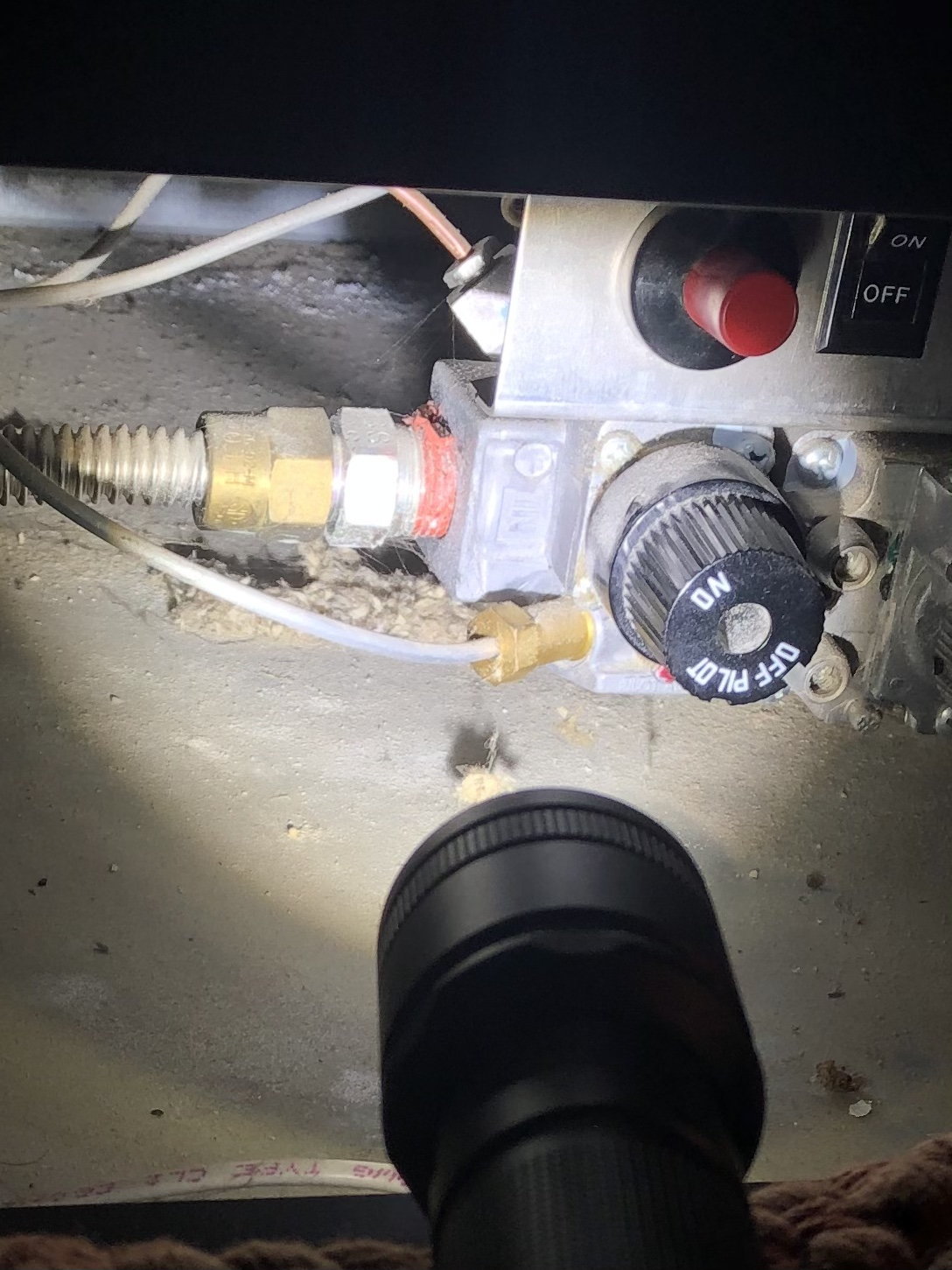
Credit: www.doityourself.com
How To Replace A Thermocouple Or Thermopile
Replacing these parts is common if the pilot light keeps going out. Here are the steps:
- Turn off the gas supply.
- Remove the glass panel or access cover.
- Locate the thermocouple or thermopile (a thin metal rod near the pilot flame).
- Unscrew the old part from its mount and gas valve.
- Install the new part in the same position.
- Make sure the flame will touch the tip directly.
- Tighten screws and reconnect wires.
- Turn on the gas and test the pilot light.
Most Valor fireplace manuals show the exact location and replacement steps. If unsure, call a technician.
Pilot Light Types In Valor Fireplaces
Valor fireplaces use two main types of pilot lights:
- Standing pilot: Always burning, ready to ignite the main burners.
- Intermittent pilot: Lights only when you want heat, then turns off.
Each type has pros and cons:
| Pilot Type | Advantages | Disadvantages |
|---|---|---|
| Standing Pilot | Reliable, always ready | Uses gas even when idle |
| Intermittent Pilot | Saves gas, modern design | More parts, can fail electronically |
Knowing your pilot type helps you troubleshoot. Standing pilots often have issues with dirt and thermocouples. Intermittent pilots can fail due to electronic ignition problems.

Credit: www.youtube.com
Signs Your Pilot Light Has Failed
You can often spot pilot light problems before your fireplace stops working. Look for these signs:
- The pilot flame is yellow or flickering (should be steady blue).
- The flame goes out after a few seconds.
- You hear clicking but see no flame.
- The main burners won’t ignite.
- You smell gas but see no flame.
If you notice any of these, start troubleshooting right away.
Diy Vs Professional Repair: What’s Better?
Many pilot light issues are safe for homeowners to fix, but some need expert help. Here’s a quick comparison:
| Repair Type | DIY | Professional |
|---|---|---|
| Cleaning burner | Yes | Yes |
| Replacing thermocouple | Yes, with care | Yes |
| Testing gas valve | No | Yes |
| Fixing ignition system | Maybe | Yes |
| Checking gas leaks | No | Yes |
If you don’t feel confident, always call a pro.
Common Mistakes When Fixing Pilot Lights
Even experienced homeowners make mistakes. Avoid these problems:
- Skipping safety steps: Always turn off gas and let parts cool.
- Using sharp tools: These can damage delicate burners.
- Misaligning thermocouple: If it’s not in the flame, it won’t work.
- Not checking gas supply: Many problems are simply due to a closed valve.
- Ignoring drafts: Airflow can blow out the flame, even if everything else is working.
Preventing Pilot Light Problems In Valor Fireplaces
Preventive care can stop most pilot light issues before they start:
- Clean the pilot burner every few months.
- Check the thermocouple/thermopile yearly.
- Test the ignition system regularly.
- Keep vents clear and avoid drafts.
- Inspect gas connections for leaks and tightness.
A little maintenance saves money and avoids cold nights.
Valor Fireplace Pilot Light And Safety Features
Valor fireplaces are designed with safety in mind. If the pilot light goes out, the gas valve shuts automatically. The thermocouple or thermopile acts as a safety sensor—if it doesn’t sense heat, it stops gas flow.
These features prevent dangerous gas leaks and protect your home. Always make sure safety parts are working before using your fireplace.
Real-life Example: Solving A Pilot Light Failure
Let’s look at a real case. Sarah’s Valor fireplace stopped working one winter night. She saw a small, yellow pilot flame that went out after a few seconds.
Sarah:
- Checked the gas supply (it was open).
- Cleaned the pilot burner with a brush.
- Realigned the thermocouple so the flame touched it.
- The pilot light stayed on, and the main burners ignited.
Sarah avoided costly repairs by following simple steps. If the problem had been more complex, she would have called a technician.
Data: How Often Do Pilot Lights Fail?
According to industry data, pilot light problems are among the top three issues for gas fireplaces. About 25% of service calls for Valor units are due to pilot light failure. Most issues are solved by cleaning or replacing small parts.
Valor Fireplace Manuals And Support
Always use your specific Valor fireplace manual. Manuals show parts locations, troubleshooting steps, and safety advice. If you lose your manual, Valor’s official website has PDF versions for most models.
If you need more help, visit Valor Fireplaces Official Site for support and guides.

Credit: www.reddit.com
Frequently Asked Questions
Why Won’t My Valor Fireplace Pilot Light Stay Lit?
The pilot light often goes out because of a faulty thermocouple, dirty burner, or low gas pressure. Make sure the thermocouple is clean and positioned correctly. Clean the burner and check the gas supply. If the problem continues, the thermocouple may need replacement.
How Do I Know If My Thermocouple Is Bad?
If your pilot flame lights but goes out after a few seconds, the thermocouple is likely bad. You can test it with a multimeter (should show 25–30 millivolts). If it’s lower, replace the thermocouple.
Can I Clean The Pilot Burner Myself?
Yes, cleaning the pilot burner is safe for most homeowners. Turn off the gas, let parts cool, and use a brush or compressed air. Avoid sharp tools and flammable cleaners.
Is It Dangerous If The Pilot Light Goes Out?
It’s not dangerous if the safety system works. Valor fireplaces shut off gas when the pilot light goes out. If you smell gas or the safety system fails, leave the area and call your gas company.
When Should I Call A Professional For Pilot Light Problems?
Call a professional technician if you smell gas, can’t keep the pilot light lit after cleaning, see damaged parts, or feel unsure about repairs. Technicians have tools and experience to fix complex issues safely.
Final Thoughts
A Valor fireplace pilot light not working is a common issue, but it’s often simple to fix. By understanding how the pilot system works, learning to spot problems, and following safe troubleshooting steps, you can solve most issues without stress. Clean the burner, check the thermocouple, and ensure your gas supply is open. Avoid common mistakes and know when to call a pro.
Regular maintenance keeps your fireplace reliable, safe, and ready for cold nights. With these tips, you can enjoy warmth and comfort from your Valor fireplace all year round.