Yamaha Grizzly 660 Neutral Light Not Working
If you’re a Yamaha Grizzly 660 owner, you know how much you rely on the neutral light. This small dashboard indicator tells you when your ATV is in neutral, making starting and shifting easier and safer. But when the neutral light stops working, it can leave you confused, frustrated, and even stuck. You might wonder: is this a simple bulb issue, or something deeper with the wiring or transmission sensors? In this guide, you’ll learn what causes the neutral light to fail, how to diagnose the issue step by step, and what you can do to fix it—whether you’re a beginner or a seasoned rider.
Understanding The Neutral Light System
The neutral light on the Yamaha Grizzly 660 is part of a system that includes the indicator bulb, neutral switch (also called a sensor), wiring harness, and the ATV’s electrical system. When your transmission is in neutral, the switch closes a circuit, sending power to the bulb. If any part of this system fails, the light won’t work.
This system is not just about convenience. The ATV often requires the neutral light to come on before it will start. A failed neutral light can leave you unable to ride, even if everything else works fine. Many riders don’t realize that the neutral light is a safety feature—it prevents accidental starting in gear, which can cause the ATV to lurch forward unexpectedly.
Common Causes Of Neutral Light Failure
Several issues can cause your neutral light not to work. Here are the most frequent culprits:
1. Burned Out Bulb
The easiest problem to check. Over time, dashboard bulbs wear out and need replacing. Sometimes, bulbs can also become loose in their socket from vibration, so reseating them may help.
2. Faulty Neutral Switch
The switch, located on the transmission, can get dirty, corroded, or worn out, preventing it from completing the circuit. Water, mud, and dust can accelerate wear or cause temporary failures.
3. Loose Or Broken Wires
Wires can come loose due to vibration, or get damaged by rodents or off-road conditions. Even a small break or fray can interrupt the signal.
4. Corroded Connectors
Electrical connectors can corrode, especially if exposed to water, mud, or salt. Corrosion acts like insulation, blocking the flow of electricity.
5. Blown Fuse
While rare for just the neutral light, some circuits share fuses. If other lights or electrical functions are also out, check for a blown fuse.
6. Ignition Or Starter Issues
Sometimes, related issues with the ignition or starter circuit can affect the neutral light. For example, a weak battery or faulty starter relay can disrupt the circuit.
Diagnosing The Problem
Before replacing parts, take a systematic approach to finding the fault. Here’s how to check each part of the system.
Step 1: Check The Neutral Light Bulb
Start with the basics. Remove the dashboard cover and inspect the neutral indicator bulb.
- If it looks dark or broken, replace it with a new bulb of the same type.
- Test the new bulb before reassembling the dash.
Many riders skip this step and spend hours on wiring, when a simple bulb replacement solves the problem. Sometimes, the bulb holder can be loose or corroded, so make sure the contacts are clean and the bulb fits snugly.
Step 2: Inspect The Neutral Switch
The neutral switch sits near the transmission. It’s a common failure point due to dirt, water, or mechanical wear.
- Locate the switch (check your owner’s manual for the exact spot).
- Inspect for obvious damage or loose wires.
- Use a multimeter to test for continuity with the ATV in neutral. If the switch doesn’t close the circuit, it’s likely defective and needs replacement.
If the switch is only dirty, cleaning it may restore function. Sometimes, the switch plunger can stick due to mud or rust, so gently moving it can help.
Step 3: Examine Wiring And Connectors
Wiring problems are frequent, especially in older ATVs or those used in harsh conditions.
- Trace the wires from the neutral switch to the dashboard.
- Look for broken, frayed, or chewed wires.
- Check all connectors for tightness and corrosion.
- Clean corroded contacts with electrical contact cleaner and a brush.
Pay attention to places where wires pass through the frame or near moving parts. These spots are prone to pinch or chafe damage. If you find a damaged wire, use electrical tape or heat-shrink tubing for a lasting repair.
Step 4: Check The Fuse
Consult the Grizzly 660’s wiring diagram to find any fuses related to the indicator lights.
- Pull the fuse and inspect for a broken filament.
- Replace with a fuse of the same rating if needed.
A fuse may also look fine but have hairline cracks, so test it with a multimeter if you’re unsure.
Step 5: Inspect Related Electrical Systems
If the light still doesn’t work, check if other electrical parts (like the reverse light or starter) are behaving oddly. This can signal a broader electrical issue.
- Use a wiring diagram to trace shared circuits.
- Test for voltage at key points with the ignition on.
Sometimes, a weak battery or poor charging system can cause intermittent electrical issues, so check battery voltage and charging if problems persist.
Practical Tips For Accurate Diagnosis
- Always start simple. Bulbs and connectors are easy to check.
- Use a good multimeter—it’s your best tool for electrical testing.
- If you’re not getting voltage to the bulb, work backward through the system.
- Sometimes, the neutral light fails after deep water or mud riding. Dry out connectors and switches carefully.
- Don’t forget to check under the seat or tank for hidden connectors.
- Use a flashlight and mirror to inspect hard-to-see areas. Sometimes connectors or wires are tucked away, out of easy reach.
Key Parts And Their Function
Let’s look closer at the main components involved when your neutral light stops working.
The Neutral Switch
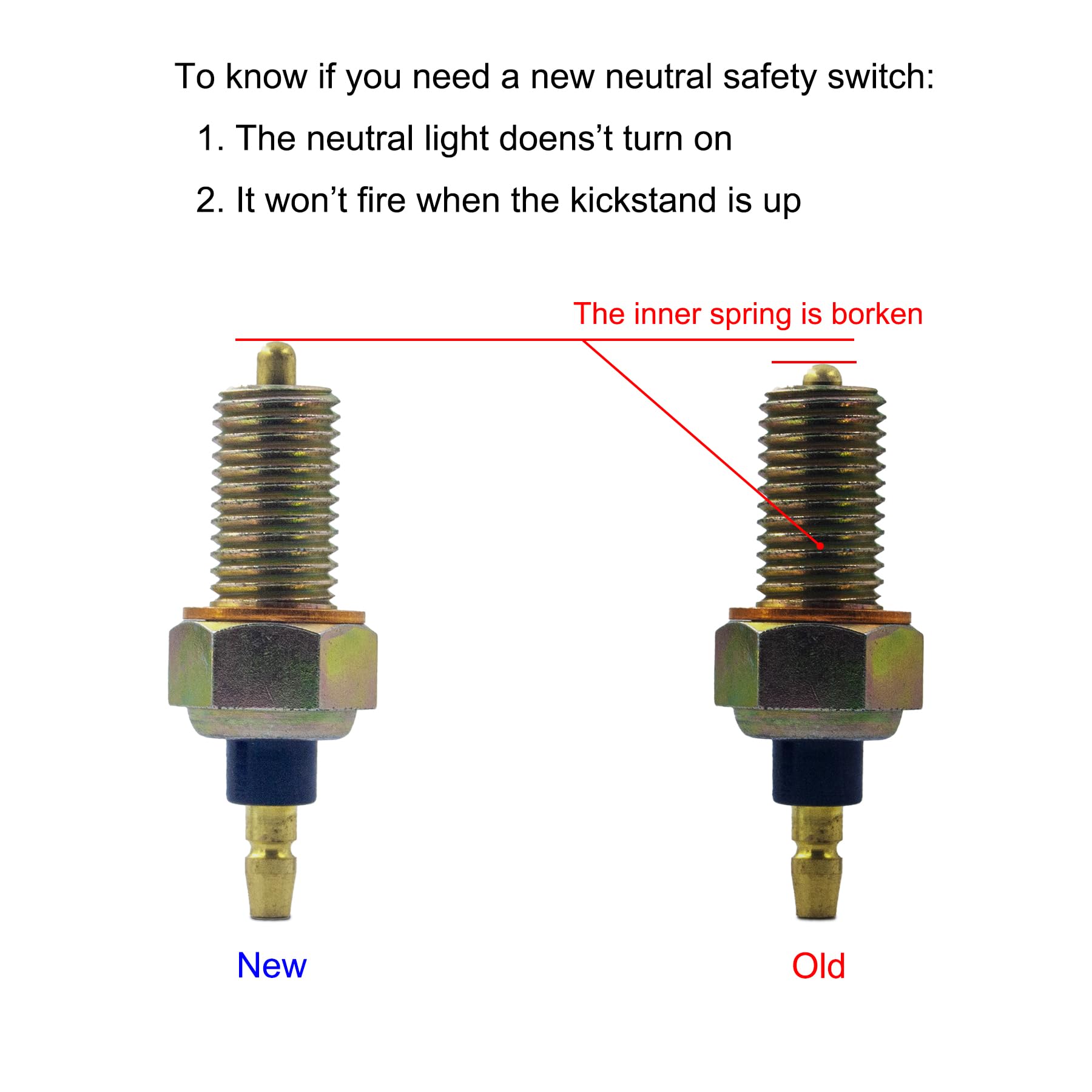
This small sensor tells the ATV when the transmission is in neutral. If it fails, the light stays off, and the starter may not work.
- Replacement switches are inexpensive but sometimes hard to access.
- Cleaning the switch with electrical cleaner can restore function if it’s just dirty.
- Switches often have a small spring-loaded plunger. If this gets stuck, the signal won’t reach the bulb.
The Indicator Bulb
Standard dashboard bulbs are easy to swap out and cost little.
- Always use the correct wattage to avoid electrical issues.
- Some bulbs are LED type; check your manual for compatibility. Using the wrong type may cause dim or flickering lights.
Wiring Harness
Wires are the “veins” of your ATV’s electrical system.
- Look for pinched spots where the harness passes through metal or near the engine.
- Repair any damaged sections with solder and heat-shrink tubing for durability.
- If you find melted insulation, check for shorts elsewhere—don’t just patch and forget.
Connectors
ATVs like the Grizzly 660 use snap-together connectors that can get dirty or loose.
- Clean and reseat all connectors during troubleshooting.
- Apply dielectric grease to prevent future corrosion.
- Don’t let connectors hang loosely—they should be clipped securely to avoid vibration damage.
Common Mistakes And Misdiagnosis
Many owners spend time and money replacing the wrong parts. Here are pitfalls to avoid:
- Don’t skip checking the bulb first.
- Avoid wiggling wires randomly; use a methodical process.
- Don’t buy a new switch before testing the old one.
- If you see multiple electrical failures, suspect a shared connector or ground.
- Don’t overlook small signs, like intermittent flickering, which often signal loose connections.
Comparison: Most Common Neutral Light Failures
Below is a summary of which issues are most likely to cause your Grizzly 660 neutral light to fail.
| Cause | Likelihood (%) | Estimated Repair Time |
|---|---|---|
| Burned Out Bulb | 45 | 10-20 minutes |
| Neutral Switch Failure | 30 | 30-60 minutes |
| Wiring or Connector Issue | 20 | 20-40 minutes |
| Blown Fuse | 3 | 10 minutes |
| Other Electrical Fault | 2 | Varies |
Preventing Future Problems
Prevention is always better than repair. Here’s how to keep your neutral light working:
1. Regular Cleaning
After muddy or wet rides, clean all electrical connectors. Use compressed air to blow out water and mud before applying contact cleaner.
2. Check Wiring
Inspect wires for rubbing, pinching, or rodent damage. Look especially near the battery and frame, where wires can get squeezed.
3. Use Dielectric Grease
Apply to connectors to prevent corrosion. A thin layer is enough; too much can block the connection.
4. Replace Bulbs In Pairs
If one dashboard bulb burns out, the others may be close to failing. This saves time and prevents future headaches.
5. Store Indoors
Protect your ATV from weather to extend the life of electrical parts. If you must store outside, use a cover and check for moisture inside the dashboard.
How To Replace The Neutral Switch
If your switch is bad, here’s a step-by-step guide:
- Turn off the ignition and disconnect the battery.
- Find the neutral switch (usually on the left side of the transmission case).
- Unplug the connector and unscrew the switch.
- Clean the mounting area.
- Install the new switch and tighten gently (don’t over-torque).
- Reconnect the wiring.
- Test the light before reassembling the bodywork.
Replacing the switch is a job most owners can handle with basic tools. Don’t forget to use the correct part for the Grizzly 660—using the wrong switch can cause false readings. Double-check the part number and compare the old and new switch for matching threads and connector type.
Neutral Light And Starting Issues
A unique feature on the Grizzly 660 is the starter interlock. The ATV often won’t crank unless the neutral light is on, even if the transmission is actually in neutral. If the light doesn’t work, you may think the battery or starter is bad, but it’s really just the neutral switch circuit.
To test, try starting in neutral with the light off, and then with the parking brake set (some models allow starting in park). If the ATV starts only in one position, the neutral switch circuit is likely the issue.
Many owners miss this connection and waste time testing the starter or battery. Always check the neutral light circuit first if the ATV won’t start in neutral.
Advanced Troubleshooting: Using A Multimeter
A multimeter is your friend for electrical work. Here’s how to test the neutral light circuit:
- Set the multimeter to continuity or resistance mode.
- With the ATV in neutral, test between the neutral switch wire and ground.
- You should see continuity (near zero resistance). If not, the switch or wiring is bad.
- Check for 12 volts at the bulb socket with the ignition on. No voltage means a wiring problem.
If you’re not comfortable with electrical tools, ask a friend or technician for help. Mistakes can lead to short circuits or damage. Take your time, and always double-check your readings.
Real-world Example
A Grizzly 660 owner found his neutral light didn’t work after a deep water ride. He checked the bulb and switch—both were fine. The problem? A small connector under the seat had filled with mud, blocking the signal. Cleaning the connector restored the light in minutes.
This shows why it’s vital to check all connectors, even ones you don’t see every day.
Another rider reported intermittent neutral light failures after installing a winch. The additional wiring overloaded the ground circuit shared with the dashboard. After separating the ground wires and adding a dedicated ground for the winch, the neutral light worked reliably again.
Oem Vs Aftermarket Parts
You’ll find both OEM (original) and aftermarket parts for the Grizzly 660. Here’s a quick comparison:
| Part Type | Pros | Cons |
|---|---|---|
| OEM | Guaranteed fit, reliable, matches factory specs | Higher cost |
| Aftermarket | Lower price, sometimes improved features | May need modification, quality varies |
For critical electrical parts, many riders prefer OEM to avoid compatibility issues. If you use aftermarket parts, check reviews and ask other Grizzly owners about their experience.
When To Seek Professional Help
While most neutral light problems can be fixed at home, call a professional if:
- You’re not confident with electrical repairs.
- You find melted wires or a strong burning smell.
- The problem comes back even after replacing parts.
A skilled technician can diagnose complex issues quickly and safely. Sometimes, a shop has specialized tools or wiring diagrams not available to home mechanics.
Yamaha Grizzly 660 Neutral Light: Quick Reference Table
Here’s a summary of the most common problems, symptoms, and solutions:
| Problem | Symptom | Solution |
|---|---|---|
| Burned Out Bulb | No light, all else works | Replace bulb |
| Faulty Neutral Switch | No light, won’t start in neutral | Replace switch |
| Broken Wire | No light, intermittent function | Repair wiring |
| Corroded Connector | No light, other lights also out | Clean/replace connectors |
| Blown Fuse | No lights at all | Replace fuse |
Non-obvious Insights Most Riders Miss
- Hidden Connectors: Some critical connectors are tucked under the seat or fuel tank, out of sight. They’re easy to overlook but often get dirty or loose. Checking these can solve problems quickly.
- Shared Grounds: The neutral light often shares a ground wire with other indicators. If multiple lights fail, check for a bad ground connection near the frame. Use a multimeter to test for solid ground.
- Aftermarket Mods: Adding accessories (like winches or lights) can overload circuits and cause odd electrical problems, including neutral light failure. Always use separate power and ground circuits for new accessories.
- Starter Relay Link: The neutral switch is linked to the starter relay circuit. Sometimes, a starter relay problem will show up as a neutral light failure, even if the switch is fine. Check relay connections if the light and starter don’t work together.
What Not To Do
- Don’t force connectors—they break easily.
- Don’t substitute higher-wattage bulbs.
- Don’t ignore repeated failures; find the root cause.
- Don’t ride without the neutral light—starting can become unreliable.
- Don’t shortcut repairs; temporary fixes often lead to bigger problems.
Maintenance Schedule For Electrical System
For a Grizzly 660, follow this simple routine:
- Check bulbs and lights every 3 months.
- Inspect wiring after every 20 hours of riding, especially after mud or water.
- Clean connectors with electrical contact spray twice a year.
- Test the battery and charging system yearly.
- Review fuse condition whenever you clean the battery terminals.
If you keep up with these checks, you’ll avoid most common problems. Regular maintenance also helps spot issues before they become major repairs.
Yamaha Grizzly 660: Why Reliability Matters
The Grizzly 660 is famous for its ruggedness, but even tough ATVs have electrical weak spots. The neutral light system is one of them. Fixing the light quickly keeps you safe and prevents bigger problems, like getting stranded or burning out the starter motor.
For more technical details, you can consult the official Yamaha Grizzly 660 Service Manual.
Frequently Asked Questions
Why Does The Neutral Light Matter On The Grizzly 660?
The neutral light lets you know the ATV is in neutral, which is required for safe starting and shifting. If it’s not working, you may not be able to start the engine, and you risk shifting problems. The neutral light also prevents accidental movement when starting, adding safety for both the rider and others nearby.
Can I Start The Grizzly 660 Without The Neutral Light Working?
Usually, no. The starting circuit relies on the neutral light circuit to allow starting. If the light doesn’t come on, the starter may not work—even if you’re actually in neutral. Some owners try bypassing the switch, but this can be risky and should only be done temporarily to move the ATV for repairs.
How Much Does It Cost To Fix A Neutral Light Problem?
It depends on the cause. A bulb costs a few dollars, while a switch is $15–$30. If you need professional help, labor may add $50–$100, but most repairs are DIY-friendly. Wiring repairs may cost more if extensive damage is found.
What Tools Do I Need To Repair The Neutral Light System?
Basic hand tools (screwdrivers, pliers), a multimeter, electrical contact cleaner, and sometimes a socket set for removing body panels. No special tools are required for most repairs. For wiring repairs, heat-shrink tubing and soldering tools are helpful.
Are There Any Recalls Or Common Defects For The Grizzly 660 Neutral Light System?
As of now, there are no major recalls on the neutral light circuit for the Grizzly 660. Most failures are due to normal wear, mud, or water, not manufacturing defects. Check Yamaha’s official site for updates if you suspect a rare factory issue.
Fixing a Yamaha Grizzly 660 neutral light that’s not working is a straightforward job if you use a step-by-step approach. Start with the bulb and connectors, move to the switch, and always check the wiring. With some patience and regular maintenance, you’ll keep your dashboard glowing and your ATV ready for adventure.
Credit: www.amazon.com