When your V Guard stabilizer shows a green light, it means your appliance is protected and getting the right voltage. But what if that green light suddenly goes off or never turns on? Many users worry when they see this issue. You wonder: Is my fridge safe? Is my TV at risk? Should I call a technician, or is it something simple I can fix myself? This guide will help you understand why the V Guard stabilizer green light not working problem happens, what it means, and what you can do about it. You’ll learn how to check your stabilizer, avoid common mistakes, and decide when to ask for expert help. If you’re new to stabilizers or want to protect expensive appliances, this article will show you everything you need to know—step by step.
What Does The Green Light Mean On A V Guard Stabilizer?
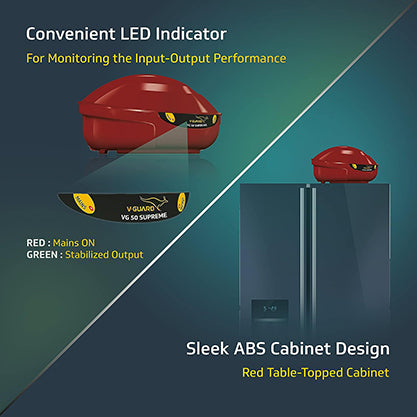
The green light is not just for decoration. It’s a signal that your stabilizer is working correctly. When the green light is ON, your appliance is receiving safe, steady voltage. If the voltage is too low or too high, the stabilizer stops power temporarily, and the green light turns OFF. Once the voltage returns to normal, the green light comes back ON.
Most V Guard stabilizers have three main lights:
- Red light: Power ON but unsafe voltage. The appliance is not receiving power.
- Yellow/Orange light: Delay or standby mode. The stabilizer is checking the voltage.
- Green light: Safe voltage. Appliance is powered.
If the green light does not turn ON, your appliance is not protected. This is especially important for items like refrigerators, televisions, and air conditioners. They need stable voltage to avoid damage.
Common Reasons Why The Green Light Is Not Working
Several issues can cause the green light to go OFF or never turn ON. Understanding these helps you troubleshoot quickly and avoid unnecessary repairs. Here are the most frequent causes:
- Voltage Fluctuations: If the incoming voltage is too low (below the stabilizer’s minimum) or too high (above the maximum), the green light won’t turn ON. V Guard stabilizers are designed to cut power during unsafe voltage.
- Delay Timer: Most stabilizers have a built-in delay timer. After power resumes or voltage stabilizes, the green light takes a few seconds to a few minutes to turn ON. This prevents sudden surges from damaging the appliance.
- Internal Fuse Blown: A blown fuse stops power from reaching the stabilizer circuit, so the green light stays OFF.
- Loose Connections: If wires inside or outside the stabilizer are loose, the circuit is incomplete. The green light won’t work.
- LED Failure: Sometimes, the green LED itself fails. The stabilizer may be working, but the light is broken.
- PCB Fault: The printed circuit board (PCB) inside the stabilizer may have failed due to moisture, age, or electrical shock.
- Power Supply Issues: If your home’s power supply is unstable, the stabilizer may not get enough voltage to operate.
- Incorrect Appliance Load: Using a stabilizer with an appliance that draws more power than the stabilizer’s capacity can cause malfunction.
- Age or Wear: Older stabilizers may have worn-out parts or corroded circuits that prevent the green light from working.
- Environmental Factors: Excessive dust, humidity, or heat can affect the stabilizer’s performance.
Most beginners miss two key points: The green light delay is normal, especially after a power cut, and sometimes the stabilizer is fine, but the LED is faulty.
Step-by-step Troubleshooting Guide
Before calling a technician, you can check several things yourself. Here’s a practical way to diagnose the issue:
Step 1: Wait For Delay Timer
After plugging in the stabilizer, wait at least 3–5 minutes. Many V Guard models have a delay timer to protect appliances from surges. If you see a yellow or orange light, the stabilizer is in standby. Only after the timer finishes should the green light come ON.
Step 2: Check Power Supply
Make sure your wall socket is working. Plug another device (like a lamp or phone charger) into the same socket. If it doesn’t work, the issue may be with your home’s wiring—not the stabilizer.
Step 3: Inspect Voltage Range
If your area has frequent voltage drops or spikes, the stabilizer may be waiting for safe voltage. You can test with a multimeter:
- Normal voltage: 220–240V (India standard)
- If voltage is below 150V or above 270V, the stabilizer will not turn ON the green light.
Step 4: Check Appliance Load
Ensure your appliance matches the stabilizer’s rating. For example, a stabilizer rated for 1. 0 ton AC should not be used with a 1. 5 ton unit.
Step 5: Inspect Cables And Connections
Unplug the stabilizer and check all cables. Look for loose wires, burnt marks, or frayed insulation. Tighten any loose screws.
Step 6: Check Internal Fuse
Many V Guard stabilizers have a fuse that can be checked easily. Locate the fuse holder (usually near the power cord). If the fuse is blackened or broken, replace it with one of the same rating.
Step 7: Test The Green Led
If you’re comfortable with basic electronics, open the stabilizer and test the LED with a multimeter. If the LED is faulty, it can be replaced cheaply.
Step 8: Observe For Pcb Issues
Look for signs of burnt smell, moisture, or visible damage on the PCB. If you see corrosion or broken components, the PCB needs professional repair.
Step 9: Environmental Check
Clean dust from vents and ensure the stabilizer is not exposed to water or extreme heat. Place it in a dry, cool area.
Step 10: Call A Technician
If none of the above steps solve the problem, call a qualified electrician or V Guard service center. Explain what you’ve checked to save time.
Data: Voltage Range And Delay Timer Across V Guard Models
Different V Guard stabilizer models have different voltage ranges and delay times. Here’s a comparison:
| Model | Input Voltage Range | Delay Timer | Typical Use |
|---|---|---|---|
| VG 400 | 170–270V | 3 minutes | Refrigerator |
| VG 500 | 150–280V | 5 minutes | Air Conditioner |
| Digital Smart | 140–290V | 2 minutes | LED TV |
| Mini Crystal | 180–260V | No delay | Small appliances |
Knowing your model’s specs helps diagnose whether the green light delay or voltage cut-off is normal.
How To Replace The Fuse In A V Guard Stabilizer
A blown fuse is a common reason for the green light not working. Replacing it is simple for most users. Here’s how:
- Unplug the stabilizer.
- Locate the fuse holder (usually a small round cap near the power cord).
- Unscrew or pull out the fuse holder.
- Remove the fuse. If it looks blackened or broken, it’s faulty.
- Buy a replacement fuse of the same rating (printed on the old fuse).
- Insert the new fuse and screw the holder back.
- Plug in the stabilizer and wait for the delay timer.
If the green light still does not turn ON, the issue may be deeper.
Signs Of Pcb Failure And What To Do
The PCB (printed circuit board) is the brain of the stabilizer. If it fails, the green light won’t work even if the fuse is fine. Here are signs of PCB issues:
- Burning smell from the stabilizer
- Visible scorch marks
- Stabilizer is dead (no lights at all)
- Erratic behavior (lights flicker)
If you suspect PCB damage:
- Do not open the stabilizer if you are not familiar with electronics.
- Call a qualified technician or V Guard service center.
- Repairing or replacing the PCB is not DIY-friendly.
Comparison: V Guard Vs. Other Stabilizer Brands
Many brands offer voltage stabilizers. How does V Guard compare when it comes to the green light issue?
| Brand | Green Light Delay | Fuse Replacement Ease | PCB Reliability |
|---|---|---|---|
| V Guard | 2–5 minutes | Easy (user-accessible) | High (less failure) |
| Servomax | 1–3 minutes | Moderate (requires tool) | Medium |
| Microtek | td>2–4 minutesEasy | Medium | |
| Monitor | No delay | Difficult (not user-accessible) | Low |
V Guard stabilizers are known for user-friendly fuse replacement and reliable PCBs. If you see the green light issue frequently on other brands, it may be due to less robust design.
Real User Experiences: Common Mistakes And Lessons
Many users panic when the green light doesn’t turn ON. From forums and reviews, two non-obvious mistakes stand out:
- Mistaking delay for a fault: People often think the stabilizer is broken because the green light takes time. But the delay is a safety feature, not a defect.
- Ignoring the fuse: The fuse is cheap and easy to replace, but many users overlook it and call a technician immediately.
A user in Chennai reported that their fridge stabilizer green light wouldn’t turn ON after a power cut. They waited only one minute, then unplugged everything and called for repair. The technician explained that the stabilizer has a 5-minute delay after power resumes to protect the fridge compressor.
Waiting solved the issue.
Another user in Mumbai replaced the stabilizer after the green light failed. Later, they found out the old stabilizer only needed a new fuse, costing less than $1.

Credit: www.mingchele.com
Advanced Troubleshooting For Technically Savvy Users
If you are comfortable with basic electronics, you can do deeper tests:
- Use a multimeter to check voltage at the stabilizer output.
- Test continuity in the fuse and main power lines.
- Inspect the PCB for dry solder joints (cracks in the solder can cause intermittent green light failures).
- Replace the green LED if you confirm it’s faulty.
Remember, opening the stabilizer voids the warranty. Only do this if you are sure.
When To Call V Guard Service Center
If your stabilizer is under warranty, or you suspect PCB failure, call the official service center. Here’s when you should seek expert help:
- Green light stays OFF after fuse replacement and delay timer
- No other lights turn ON
- Burning smell or visible damage
- Appliance is not receiving power despite normal voltage
You can find V Guard service center contact numbers on the official website. Always mention your model number and what steps you’ve already tried.
How To Prevent Green Light Problems
Preventive care keeps your stabilizer working and avoids green light issues. Here are practical tips:
- Place the stabilizer in a dry, cool area.
- Clean dust from vents monthly.
- Check cables and plugs for wear.
- Don’t overload the stabilizer.
- Use a surge protector for extra safety.
- Replace the fuse annually, even if it’s not faulty.
- Avoid placing stabilizers near water sources or direct sunlight.
Data: Typical Repair Costs For Green Light Failure
If your green light is not working, repair costs depend on the problem:
| Issue | Estimated Cost (USD) | DIY Possible? |
|---|---|---|
| Fuse replacement | 1–5 | Yes |
| LED replacement | 5–10 | Yes (basic skills) |
| PCB repair | 15–35 | No |
| Full PCB replacement | 35–65 | No |
Most issues are cheap to fix unless the PCB is damaged.
Warranty And Support Tips
V Guard stabilizers usually have a 2–3 year warranty. If your green light issue occurs within the warranty period:
- Do not open the stabilizer.
- Contact customer support for authorized service.
- Keep your purchase receipt and note the serial number.
Many users miss the fact that opening the stabilizer or doing DIY repairs can void the warranty. Always check your warranty terms first.
Environmental Impact: Why Proper Care Matters
A stabilizer failing due to neglect can cause two problems:
- Appliance damage from voltage spikes
- Electronic waste from unnecessary replacement
By maintaining your stabilizer and fixing small issues like fuse or LED replacement, you extend its life and reduce e-waste.
Credit: vguard.com
Upgrading Your Stabilizer: When Is It Necessary?
If your stabilizer is more than 8–10 years old and green light issues happen often, consider upgrading. Newer models offer:
- Wider voltage ranges
- Digital display (shows voltage and status)
- Automatic reset and delay
- Better protection for modern appliances
Choosing the right size and features is important. For more details, check this V Guard Official Site.
Frequently Asked Questions
What Does It Mean When The Green Light Is Off But Other Lights Are On?
If the green light is OFF and the red or yellow light is ON, the stabilizer is waiting for safe voltage or running its delay timer. Your appliance is not receiving power, but this is normal after a voltage drop or power cut.
How Long Should I Wait For The Green Light To Turn On?
Most V Guard stabilizers have a delay timer between 2–5 minutes. After plugging in or after a power cut, wait this time before worrying. Check your model’s manual for the exact delay.
Can I Use The Stabilizer If The Green Led Is Faulty?
Yes, but only if you confirm the stabilizer is working (appliance receives power, other lights behave normally). The green LED is just a signal. However, it’s best to replace the LED for clarity.
Is It Safe To Replace The Fuse Myself?
If you follow basic safety (unplug the stabilizer, use the correct fuse rating), it is safe for most users. Always use a fuse with the same rating as the original.
What Should I Do If None Of The Lights Turn On?
Check the power supply, fuse, and connections. If all are fine and still no lights, the stabilizer may have a PCB failure or internal damage. Contact a technician or V Guard service center.

Credit: www.youtube.com
Final Thoughts
A V Guard stabilizer green light not working is a common issue, but it doesn’t always mean a serious fault. Most problems are simple—like delay timer, fuse, or LED failure. By understanding how the green light works, checking basic things yourself, and knowing when to call for help, you protect your appliances and save money. Remember, patience is key; sometimes just waiting solves the issue. Regular care and smart troubleshooting keep your stabilizer running for years. If you’re unsure, rely on professional support and don’t risk your warranty. With these tips, your appliances stay safe and your stabilizer does its job—quietly and reliably.