When a gas fireplace won’t light, especially when the pilot light isn’t working, it can turn cozy evenings into frustrating repair sessions. Many homeowners face this issue every year, especially as colder months begin. The pilot light is a small flame that stays lit, ready to ignite the main burner when needed. If it won’t stay on or won’t light at all, your fireplace cannot work. Understanding why this happens, and knowing how to fix it, can save money and keep your home safe.
This article explores common causes, step-by-step solutions, safety tips, and when to call a professional. Whether you’re a new homeowner or have lived with a gas fireplace for years, you’ll find clear, practical advice. We’ll also compare different pilot systems, explain troubleshooting methods, and highlight mistakes to avoid.
By the end, you’ll know how to handle a pilot light problem confidently and safely.
How Gas Fireplace Pilot Lights Work
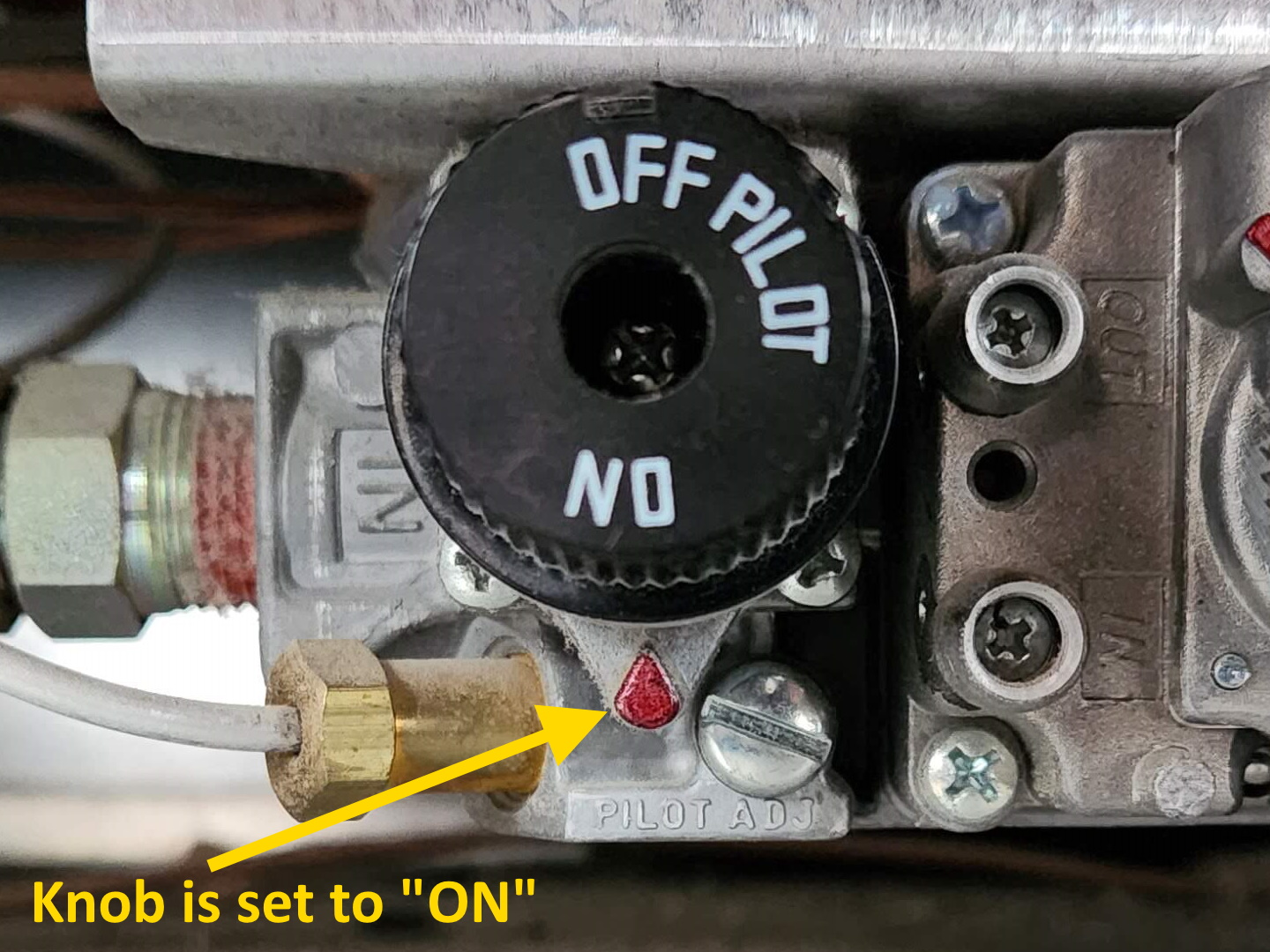
A pilot light is a small, steady flame that burns inside your gas fireplace. It’s usually located near the burner. The pilot light uses a small amount of gas, constantly fed from the main supply. Its job is to ignite the main burner when you turn on the fireplace.
Some modern gas fireplaces use electronic ignition systems instead of a traditional standing pilot. But most homes still have the classic standing pilot. Here’s how it works:
- Gas flows to the pilot assembly.
- You press a button or turn a knob to ignite the flame.
- The flame heats a thermocouple or thermopile sensor.
- The sensor confirms the flame is present and allows gas to flow to the main burner.
If the pilot light goes out, the sensor stops the gas flow for safety. This prevents leaks or explosions.
Types Of Pilot Systems
Gas fireplaces usually use one of these systems:
- Standing Pilot: Always-on flame, requires manual relighting if extinguished.
- Intermittent Pilot: Electronic ignition, only lights the pilot when needed.
Older fireplaces almost always use standing pilots. Newer models may have intermittent pilots, which are more energy-efficient.
Why The Pilot Light Is Important
Without a working pilot light, the fireplace cannot operate. The pilot is a safety feature, making sure gas only flows when a flame is ready to ignite it. If the pilot won’t light or stay lit, your fireplace is off until you fix the problem.
Common Reasons Pilot Lights Won’t Work
A gas fireplace pilot light can fail for many reasons. Some problems are simple, others are more serious. Here are the most frequent causes:
- Dirty Pilot Orifice: Dust, spider webs, or debris block the tiny opening where gas escapes. This reduces flame size or prevents ignition.
- Faulty Thermocouple or Thermopile: These sensors wear out over time. If they don’t get hot enough, they shut off gas flow.
- Gas Supply Issues: Low gas pressure, closed valves, or empty propane tanks stop the pilot from lighting.
- Loose Connections: Wires or gas lines may be loose, especially after years of use.
- Bad Ignition Switch: The button or knob that lights the pilot can fail.
- Air in Gas Line: If the gas line was recently installed or serviced, air pockets can prevent ignition.
- Malfunctioning Safety Controls: Some units have extra safety switches or sensors that can fail.
Less Obvious Causes
Many people overlook two key issues:
- Drafts or Airflow: Strong air movement near the fireplace can blow out the pilot flame. This is common in homes with ceiling fans or nearby windows.
- Incorrect Pilot Adjustment: Sometimes, the pilot flame is set too low, so it doesn’t touch the thermocouple. Adjusting the flame height can solve this.
Understanding these causes helps you diagnose the issue faster and avoid unnecessary repairs.
Diagnosing The Problem Step-by-step
Before you fix anything, you need to find the exact problem. Follow these steps:
- Check for Gas Supply: Make sure the main gas valve is open. If you use propane, check the tank level. If you use natural gas, confirm with your utility company that service is active.
- Inspect the Pilot Flame: If the flame is weak or yellow, there may be dirt or blockage.
- Test the Ignition: Try to light the pilot. If it clicks but doesn’t ignite, the igniter may be faulty.
- Examine the Thermocouple/Thermopile: Look for corrosion or loose wires. If the pilot lights but goes out quickly, these parts may be bad.
- Check for Drafts: Hold a match near the pilot area (do NOT touch the flame). If the flame flickers, airflow may be the problem.
- Look for Error Codes: Some modern fireplaces have digital displays or lights that show error codes.
If you find obvious issues, you can try to fix them. If not, move to troubleshooting steps.
Safety Precautions Before Starting
Gas fireplaces are safe when used correctly, but mistakes can be dangerous. Always follow these safety tips:
- Turn off the gas supply before working on any parts.
- Allow the fireplace to cool for at least 30 minutes.
- Keep children and pets away from the area.
- Use gloves and safety glasses.
- Never use force or sharp tools on gas lines.
- If you smell gas, leave the house immediately and call your gas company.
These precautions protect you from burns, explosions, and toxic fumes.
Troubleshooting And Fixing Pilot Light Problems
Now that you know the basics, let’s go through practical troubleshooting. Many fixes are easy to do at home. Here are step-by-step solutions for common problems:
Cleaning The Pilot Orifice
A dirty pilot orifice is the most common issue. Here’s how to clean it:
- Turn off the gas supply.
- Remove the access panel.
- Locate the pilot assembly.
- Use a soft brush or compressed air to clear dust and debris.
- For stubborn blockages, use a needle (gently) to clean the orifice.
- Reassemble parts and turn on the gas.
- Try lighting the pilot.
Tip: Never use water or harsh chemicals.
Replacing The Thermocouple Or Thermopile
If the pilot lights briefly and then goes out, the sensor is likely bad.
- Turn off the gas and allow parts to cool.
- Remove the old thermocouple/thermopile (usually unscrews).
- Buy a matching replacement from a hardware store.
- Install the new sensor, making sure it sits in the pilot flame.
- Reconnect any wires or clips.
- Turn on the gas and test the pilot.
Insight: Thermopiles generate more voltage than thermocouples. Check your fireplace manual to see which you need.
Checking Gas Supply And Pressure
Low gas pressure stops the pilot from working.
- Confirm all valves are open.
- Inspect for kinks or bends in the gas line.
- For propane tanks, make sure they’re not empty.
- If you suspect low pressure, contact your gas provider.
Fixing Loose Connections
Loose wires or fittings cause many problems.
- Inspect connections near the pilot, thermocouple, and control valve.
- Tighten any loose screws or clips.
- Look for burnt or frayed wires.
Adjusting The Pilot Flame
If the flame is too small:
- Find the adjustment screw near the pilot assembly.
- Use a screwdriver to turn it slightly and increase flame size.
- The flame should be blue and strong, touching the thermocouple.
Dealing With Drafts
To prevent drafts:
- Move fans or vents away from the fireplace.
- Close nearby windows.
- Use weatherstripping if needed.
Clearing Air From Gas Lines
If your gas line was recently serviced, air may be trapped.
- Light the pilot several times, allowing gas to flow each time.
- This purges the air and allows gas to reach the pilot.
Fixing Electronic Ignition Systems
For fireplaces with electronic ignition:
- Check batteries in the remote or wall switch.
- Inspect ignition wires for damage.
- Replace faulty parts as needed.
When You Need A Professional
Some problems are too complex or risky for DIY repair. Call a professional if:
- You smell gas or suspect a leak.
- Parts are damaged or missing.
- You can’t identify the problem after basic troubleshooting.
- The fireplace is under warranty.
Never risk safety for a quick fix.
Comparing Pilot Light Types And Sensors
Choosing the right parts is important for repairs and upgrades. Here’s a comparison of different pilot systems and sensors:
| Type | Features | Pros | Cons |
|---|---|---|---|
| Standing Pilot | Always-on flame | Reliable, simple | Uses more gas |
| Intermittent Pilot | Electronic ignition | Energy-efficient | Needs power, can be complex |
| Thermocouple | Safety sensor, low voltage | Easy to replace | Can wear out quickly |
| Thermopile | Safety sensor, higher voltage | Works with remote controls | More expensive |
Insight: Upgrading from a standing pilot to an intermittent pilot can save up to 30% on gas usage per year, according to energy efficiency studies.
Credit: structuretech.com
Signs You Should Replace Your Pilot Light Assembly
Sometimes cleaning or adjusting isn’t enough. Watch for these signs:
- The pilot flame won’t stay lit even after cleaning.
- The thermocouple or thermopile fails repeatedly.
- Parts are visibly damaged, rusty, or corroded.
- You need to relight the pilot often.
- The ignition button is broken or jammed.
Replacing the pilot assembly ensures safe, reliable operation.
How To Replace The Pilot Assembly
- Buy a replacement kit that matches your fireplace model.
- Turn off the gas and remove old parts.
- Install the new assembly, following the manufacturer’s instructions.
- Reconnect wires and sensors.
- Test the pilot light.
Tip: Always keep the old assembly until the new one works—sometimes small parts are needed.
Preventing Pilot Light Problems
Regular maintenance prevents most pilot light issues. Here’s what to do:
- Clean the pilot orifice every six months.
- Check the thermocouple/thermopile yearly.
- Inspect wires and connections for wear.
- Test the pilot flame for strength.
- Keep the area around the fireplace clear of dust and debris.
Insight: Many homeowners forget to check gas valves after summer. Always confirm valves are open before winter starts.
Professional Maintenance
Hiring a technician once a year is a good investment. They can:
- Clean and inspect all parts.
- Test gas pressure.
- Check for leaks.
- Adjust flame settings.
Professional servicing costs between $100 and $200, but it prevents expensive repairs later.
Credit: www.youtube.com
Diy Vs. Professional Repair Costs
Fixing a pilot light yourself saves money, but sometimes it’s better to hire a pro. Here’s a cost comparison:
| Repair | DIY Cost | Professional Cost |
|---|---|---|
| Cleaning Orifice | $0–$10 (tools) | $75–$120 |
| Replacing Thermocouple | $15–$25 | $100–$150 |
| Replacing Pilot Assembly | $30–$60 | $180–$300 |
| Full Service | – | $150–$250 |
Insight: DIY repairs are much cheaper, but a professional can spot hidden problems you might miss.
Real-life Examples And Case Studies
Let’s look at how pilot light issues play out in real homes.
Example 1: Weak Pilot Flame Due To Dust
A homeowner in Chicago noticed their gas fireplace wouldn’t stay lit. The pilot flame was weak and yellow. Cleaning the pilot orifice with compressed air fixed the issue, and the fireplace ran smoothly.
Example 2: Faulty Thermocouple In An Old Fireplace
A couple in Denver struggled with a pilot that kept going out. Replacing the thermocouple solved the problem instantly. The cost was $20 for the part, compared to $140 for a technician.
Example 3: Gas Supply Valve Turned Off
A family in Seattle couldn’t light their pilot after summer. The main gas valve was accidentally closed during cleaning. Opening the valve restored the pilot flame.
Example 4: Drafts From Ceiling Fans
A homeowner in Houston found their pilot kept blowing out. The cause was a strong draft from a ceiling fan. Turning off the fan kept the pilot flame steady.
Example 5: Electronic Ignition Failure
A new fireplace in Boston used an electronic pilot system. When the batteries in the remote died, the pilot wouldn’t ignite. Replacing the batteries solved the problem.
These examples show that most issues are simple and can be fixed without expensive repairs.
Credit: www.youtube.com
Gas Fireplace Pilot Light Troubleshooting Checklist
If your pilot light won’t work, follow this checklist:
- Confirm gas supply is on.
- Check for dust or debris in the pilot orifice.
- Test the thermocouple or thermopile.
- Look for loose wires or connections.
- Adjust the pilot flame height.
- Check for drafts or airflow issues.
- Make sure the ignition switch or batteries are working.
- Purge air from the gas line.
- Inspect for error codes or warning lights.
- If all else fails, call a professional.
Tip: Keep your fireplace manual handy—it has model-specific troubleshooting steps.
Comparing Gas Fireplace Brands And Reliability
Not all gas fireplaces are equal. Some brands have better pilot systems and fewer problems. Here’s a quick comparison:
| Brand | Pilot System | Reliability | Average Repair Cost |
|---|---|---|---|
| Heat & Glo | Intermittent/Electronic | High | $120 |
| Napoleon | Standing Pilot | Medium | $150 |
| Majestic | Standing Pilot | Medium | $160 |
| Regency | Intermittent/Electronic | High | $130 |
| Vermont Castings | Standing Pilot | Low | $170 |
Insight: Brands with electronic ignition systems tend to have fewer pilot light problems.
Mistakes To Avoid When Fixing Pilot Lights
Many beginners make mistakes that can cause more problems. Avoid these:
- Using water to clean the pilot—can cause rust.
- Ignoring safety warnings.
- Replacing parts without turning off gas.
- Setting the pilot flame too low or too high.
- Using non-matching replacement parts.
- Forgetting to check batteries in electronic systems.
- Not testing for drafts.
- Skipping regular maintenance.
Tip: Always double-check your work before relighting the fireplace.
Environmental Impact Of Gas Fireplace Pilot Lights
Standing pilot lights use gas even when the fireplace is off. Studies show that a typical standing pilot uses up to 900 cubic feet of gas per year, which adds to utility bills and carbon emissions. Upgrading to an intermittent pilot reduces this waste.
Insight: Switching to an electronic ignition system can cut yearly gas use by up to 30%, helping the environment and saving money.
For more data on energy efficiency and gas usage, see U.S. Department of Energy.
Frequently Asked Questions
Why Does My Gas Fireplace Pilot Light Keep Going Out?
The most common cause is a bad thermocouple or thermopile. Other reasons include dirty pilot orifice, drafts, or low gas pressure. Clean and check these parts first.
Is It Safe To Relight The Pilot Light Myself?
Yes, if you follow safety steps: turn off gas, allow cooling, and use proper tools. If you smell gas or feel unsure, call a professional.
How Often Should I Clean Or Check My Gas Fireplace Pilot Light?
Clean the pilot orifice every six months. Inspect the thermocouple and connections yearly. Schedule professional servicing once a year.
Can I Upgrade My Fireplace To An Electronic Ignition System?
Most modern fireplaces allow upgrades, but older models may need extensive changes. Consult a technician for advice.
What Should I Do If I Smell Gas While Fixing The Pilot Light?
Leave the area immediately. Do not turn on lights or use electronics. Call your gas company or emergency services from outside the house.
Gas fireplace pilot light issues are common, but most can be fixed with simple steps. Understanding how the system works helps you diagnose problems faster. Regular maintenance prevents breakdowns and keeps your home safe. If you’re unsure or the fix is too complex, don’t hesitate to call a professional.
By following these tips, you’ll enjoy a warm, safe fireplace all winter long.