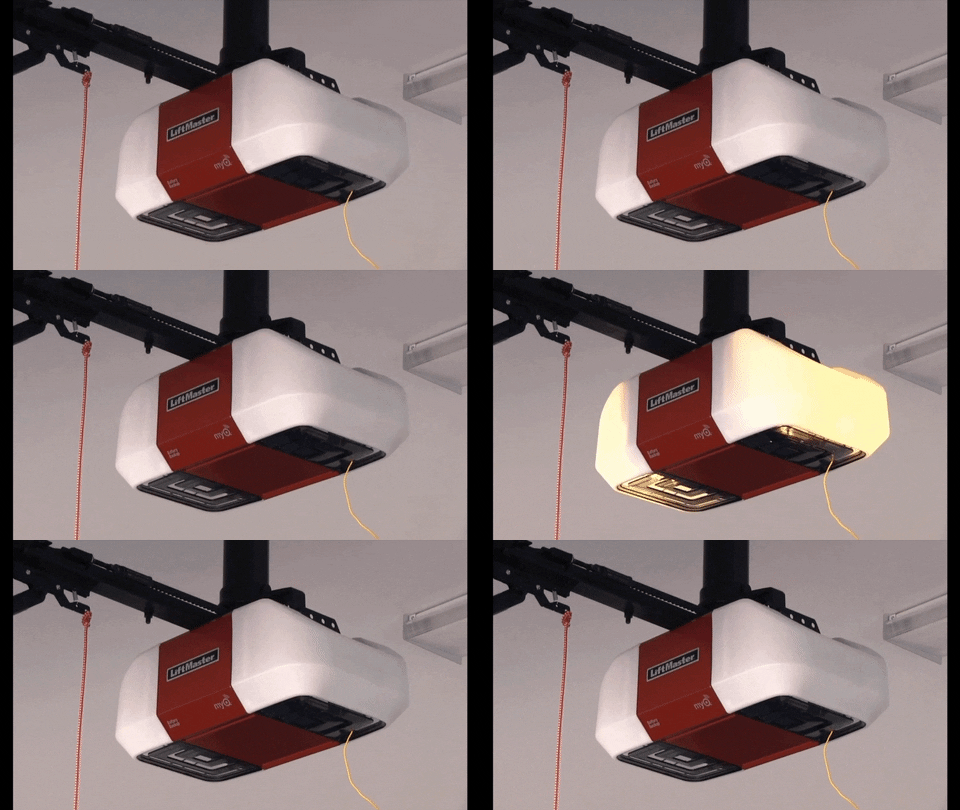
A garage door that works smoothly is something most homeowners take for granted—until something goes wrong. One common problem that can cause confusion and frustration is when the garage door light keeps blinking continuously. You might notice the light on your opener flashing non-stop, or the safety sensor lights blinking in a strange pattern. This isn’t just an annoyance; it’s usually a sign that your garage door system needs attention. Ignoring the blinking can lead to bigger problems, like being locked out of your garage or causing wear and tear to the opener.
If you’re seeing this blinking light, you’re not alone. It’s one of the most frequent issues reported with automatic garage door openers. Understanding why it happens, what it means, and how to fix it can save you time, money, and stress.
Whether your system is made by LiftMaster, Chamberlain, Genie, or another brand, the good news is that most causes are easy to identify—and many can be fixed without calling a professional.
Why Does My Garage Door Light Blink Continuously?
The blinking light is more than just a random signal. It’s your garage door opener’s way of telling you something is wrong. Here are the most common reasons:
- Safety Sensor Problems: Most modern garage doors have photo-eye sensors near the floor on both sides of the door. If these sensors are misaligned, blocked, or dirty, the opener will blink the light and refuse to close the door.
- Obstruction in the Door’s Path: If something is blocking the door, the opener’s safety system will detect it and flash the light.
- Wiring Issues: Damaged or loose wires between the opener and the sensors can cause false signals, leading to continuous blinking.
- Error Codes: Different brands use blinking lights to indicate specific error codes. For example, two flashes might mean a sensor problem, while four could signal a different issue.
- Manual Lock Engaged: Some garage doors have a manual lock. If it’s engaged, the opener can’t move the door, and the light may blink.
- Control Board Malfunction: In rare cases, the opener’s internal electronics can fail and cause the light to blink.
Understanding Garage Door Opener Light Patterns
Not all blinks mean the same thing. Most openers use blinking patterns to communicate specific issues. Here’s a quick comparison of how different brands use blink codes:
| Brand | Light Blink Pattern | Common Cause |
|---|---|---|
| LiftMaster/Chamberlain | 10 flashes | Sensor misalignment or obstruction |
| Genie | Red light blinks | Sensor fault or wiring issue |
| Craftsman | Flashing LED | Sensor or logic board problem |
Always check your opener’s manual for the exact meaning, as codes can vary.
Credit: gdmedics.com
How Garage Door Safety Sensors Work
To understand why the light blinks, it helps to know how safety sensors operate. These small devices are mounted a few inches above the ground on either side of your garage door. They send an invisible beam across the door opening. If anything interrupts the beam—like a person, pet, or object—the opener stops the door from closing and blinks the light as a warning.
If the sensors are not facing each other perfectly, or if the lenses are dirty, the beam can’t make it across. This triggers the blinking light and prevents the door from moving.
Step-by-step Guide To Fixing A Blinking Garage Door Light
1. Check For Obstructions
First, look for anything blocking the sensors: trash cans, bikes, leaves, or even spider webs. Remove any items and see if the blinking stops.
2. Clean The Sensor Lenses
Dirt, dust, or moisture on the lenses can cause problems. Gently wipe each sensor with a soft, dry cloth. Avoid using harsh chemicals.
3. Align The Sensors
If the sensors are bumped or knocked out of place, the light will blink. Adjust each sensor until both indicator lights are solid (not blinking or off). Some sensors have a green and a red light; both should be steady.
4. Inspect Sensor Wiring
Loose, disconnected, or damaged wires can break the sensor connection. Check the wires at the sensor and at the opener unit. If you see any broken or frayed wires, repair or replace them as needed.
5. Reset The Opener
Sometimes, a simple reset solves the problem. Unplug the opener for about 30 seconds, then plug it back in. This can clear minor electronic glitches.
6. Check The Manual Lock
Look for a manual lock on your garage door. If it’s engaged, release it and try operating the door again.
7. Review Your Opener’s Error Code
If the light is blinking in a specific pattern, look up the code in your opener’s manual. Each pattern points to a different issue.
8. Test The Door’s Operation
Try opening and closing the door. If the light stops blinking and the door moves smoothly, you’ve fixed the problem. If not, move on to advanced troubleshooting.

Credit: www.youtube.com
Advanced Troubleshooting For Persistent Blinking
If basic steps don’t solve the problem, it may be time to dig deeper.
Sensor Power Issues
Use a multimeter to test the voltage at the sensors. No power means a wiring or board problem.
Control Board Failure
If you’ve checked sensors, wires, and the door still won’t work, the opener’s control board could be faulty. This is less common, but it does happen, especially in older units.
Faulty Sensor Units
Sometimes, the sensors themselves fail. Replacing the pair is often more cost-effective than repairing a single sensor.
Circuit Breaker Or Power Supply Issues
Check your home’s circuit breaker. If power to the garage is unstable, the opener can act up.
Common Mistakes When Fixing Garage Door Light Blinking
Many homeowners make simple errors that waste time or cause new problems. Here are a few to avoid:
- Ignoring sensor alignment: Even a small misalignment can cause the system to malfunction.
- Using water or harsh cleaners on sensors: Moisture can damage electronics.
- Forgetting to check for manual locks: This is easy to miss, but can stop the door from working.
- Not consulting the manual: Each opener brand is different—using the wrong fix can make things worse.
When To Call A Professional
While many garage door light blinking issues are DIY-friendly, there are times when expert help is best. Call a pro if:
- You see exposed, damaged wiring.
- The opener makes strange noises or smells burnt.
- The door is off its tracks or feels very heavy.
- You’ve tried all basic fixes and the problem remains.
Professionals have tools to test circuits and can replace complex parts safely.
Cost Comparison: Diy Vs. Professional Repair
It helps to know what you might spend fixing a blinking garage door light. Here’s a breakdown:
| Repair Type | DIY Cost | Professional Cost |
|---|---|---|
| Sensor cleaning/alignment | $0 – $15 | $75 – $150 |
| Sensor replacement | $20 – $50 | $100 – $200 |
| Control board replacement | $60 – $120 | $150 – $350 |
DIY can save money, but always consider safety and your own comfort level.
Real-world Example
Maria, a homeowner in Texas, noticed her garage door opener light blinking ten times every time she tried to close the door. She checked and found her son’s soccer ball blocking one of the sensors. After removing it and cleaning the lenses, the door worked perfectly. This simple fix saved her a service call and kept her garage secure.
Preventing Future Blinking Light Problems
You can avoid many blinking light problems with a few simple habits:
- Keep the sensor area clear: Don’t store items near the base of the garage door.
- Clean sensors monthly: A quick wipe keeps dust and cobwebs from interfering.
- Check alignment after storms or bumps: Even a small tap can misalign sensors.
- Inspect wires once a year: Look for wear or damage.
- Test the door’s safety features: Most openers have a test button—use it regularly.
Credit: herogaragedoor.com
Comparing Garage Door Opener Brands: Sensor Reliability
Some brands are more reliable than others when it comes to sensor issues. Here’s a comparison:
| Brand | Sensor Durability | Average Sensor Lifespan |
|---|---|---|
| LiftMaster | High | 8-10 years |
| Genie | Medium | 6-8 years |
| Chamberlain | High | 8-10 years |
| Craftsman | Medium | 6-9 years |
Choosing a reputable brand can reduce the risk of sensor problems.
The Hidden Risks Of Ignoring A Blinking Garage Door Light
Many people think a blinking light is just a minor annoyance. In reality, ignoring it can:
- Leave your garage insecure, making break-ins easier.
- Cause the door to close unexpectedly, risking injury.
- Lead to more expensive repairs if the opener wears out or burns out the control board.
Always address blinking lights as soon as possible to keep your garage safe and functional.
Non-obvious Insights Most People Miss
- Temperature extremes can affect sensor performance. In very hot or cold climates, sensors may expand, contract, or develop condensation, leading to false errors. If your blinking light only happens during certain weather, this could be the cause.
- LED light bulbs in garage door openers can sometimes interfere with sensor signals, especially in older models. If you’ve recently changed bulbs and the blinking started, try switching back to a standard incandescent bulb to see if that fixes the issue.
Where To Find More Help
If you’re struggling with a persistent blinking light, many manufacturers have online troubleshooting guides and community forums. For detailed technical information, check out the Wikipedia page on garage door openers for an overview of how these systems work.
Frequently Asked Questions
Why Is My Garage Door Light Blinking 10 Times?
Ten blinks often means the safety sensors are misaligned or blocked. Check for obstructions and make sure the sensors face each other directly.
Can I Bypass Garage Door Sensors To Stop The Blinking?
It’s possible, but not recommended. Bypassing sensors removes an important safety feature. The door could close on pets, children, or objects, causing injury or damage.
How Do I Know If My Garage Door Sensor Is Bad?
If you’ve checked for alignment, cleaned the lenses, and inspected wiring but the problem remains, the sensor may be faulty. Try replacing both sensors as they work in pairs.
Is It Dangerous To Ignore A Blinking Garage Door Light?
Yes. The blinking light usually means the safety system isn’t working. Ignoring it can put people and property at risk.
Does Weather Affect Garage Door Sensors?
Extreme heat, cold, or moisture can affect sensor performance. If you notice blinking during storms or temperature changes, check for condensation or expansion around the sensors.
A blinking garage door light is a warning, not just a nuisance. By understanding the causes, using the right troubleshooting steps, and knowing when to call a professional, you can keep your garage door safe and reliable. Staying on top of small maintenance tasks will help prevent problems and save you from unexpected repair bills.
Your garage door is one of the largest moving parts in your home—treat it with care, and it will serve you well for years.