If you walk down your street at night and notice one of the street lights is not working, it can feel more than just annoying. A broken street light can make the road darker, reduce safety for walkers and drivers, and even increase the risk of crime. In Queensland, Australia, Energex is responsible for maintaining most street lights, but many people are unsure what to do when a street light goes out. This guide will help you understand why street lights fail, what steps to take, and how the repair process works. You’ll also learn common mistakes people make, how local governments and Energex share responsibilities, and what to expect after you report a problem. If you want safer, brighter streets, this is the practical advice you need.
Understanding Energex And Street Lighting
Energex is the main electricity distributor for South East Queensland. They own and maintain over 430,000 street lights across the region. Their role is to ensure public lighting works efficiently to support community safety and comfort. However, not all street lighting falls under their care—some are handled by local councils, private bodies, or developers.
Street lights are designed to last many years, but they can fail for different reasons. Most of the time, people only notice a problem when a light stays off at night or blinks on and off.
Why Street Lights Matter
Bright and reliable street lighting does more than help you see. It:
- Reduces car accidents by making roads visible
- Lowers the risk of crime by removing dark areas
- Helps pedestrians feel safer
- Supports emergency services during nighttime responses
Studies from the Australian Institute of Criminology show that improving street lighting can reduce crime rates by up to 20% in some areas. For councils and Energex, keeping lights running is an important community responsibility.
Common Reasons A Street Light Stops Working
If you notice a street light is not working, there are several possible causes. Understanding these helps you explain the problem clearly when reporting it.
- Burnt Out Bulb – Like home bulbs, street lights have a limited lifespan. Most last between 4 and 7 years.
- Electrical Fault – Wires underground can be damaged by digging, tree roots, water, or age.
- Timer or Sensor Failure – Many lights have dusk-to-dawn sensors or timers that can stop working.
- Physical Damage – Lights can be hit by cars, storms, or vandalism.
- Planned Power Outages – Sometimes the light is off because of scheduled maintenance.
- Connection Issues – If the pole or wiring is loose, the light may flicker or not turn on.
A common mistake is assuming all street lights are managed by Energex. In reality, some lights (especially in parks or private estates) are controlled by councils or other groups.
Who Is Responsible For The Light?
Not every street light is Energex’s responsibility. Here’s how to know who to contact:
- Energex: Most street and road lights in public areas and along major roads.
- Local Council: Lights in parks, walkways, council car parks, and some suburban areas.
- Private Bodies: Lights inside apartment complexes, shopping centers, or private roads.
How To Tell Who Maintains The Light
Look for a numbered metal tag on the pole. If it starts with a letter and numbers (like “B12345”), it’s usually Energex’s. Council lights often have a different style tag or no tag at all.
If you’re unsure, you can check your local council website or call their maintenance number. Energex’s website also allows you to search by address to check if a light is theirs.
How To Report A Broken Energex Street Light
Reporting a faulty light is simple, but doing it correctly helps fix the problem faster. Here’s what you should do:
- Locate the Light – Write down the nearest street address, the pole number (if visible), and a clear description of the location (for example, “outside 27 Main St, near the bus stop”).
- Describe the Problem – Is the light off, flickering, or on during the day? The more details, the better.
- Take a Photo (if safe) – Photos can help technicians identify the exact pole and issue.
- Contact Energex – Use their online reporting form, the Energex Faults phone line, or their mobile app. You can report 24/7.
Here’s a quick table to compare reporting methods:
| Method | How To Use | Best For |
|---|---|---|
| Online Form | Go to Energex’s website, enter location and details | Clear, detailed reports |
| Phone | Call 13 62 62 (Energex Faults) | Urgent hazards, power line damage |
| Mobile App | Download and report via app | Quick reports on-the-go |
What Information To Include
- Exact location (nearest address, intersection, or landmark)
- Pole number (if available)
- What’s wrong (off, flickering, broken, etc.)
- Your contact details (optional, but helps if more info is needed)
A non-obvious tip: If several lights are out in a row, mention this. It may signal a larger electrical issue that needs urgent repair.
What Happens After You Report It?
Once you report a problem, Energex will assign a work order. Here’s what typically happens:
- Assessment: Technicians review the report to decide what tools and staff are needed.
- Scheduling: Most repairs happen within 5 to 10 business days. If it’s a safety hazard (like exposed wires), they’ll send someone out urgently.
- Repair: Crews fix the light, which may involve replacing bulbs, fixing wiring, or other tasks.
- Follow-up: In some cases, you’ll get an update by email or SMS if you left your contact details.
Repair Timeframes
Most single light faults are fixed within a week or two. Larger faults (like cable damage) can take longer, especially if digging or road closures are needed.
Here’s a look at typical repair times:
| Type of Fault | Estimated Repair Time |
|---|---|
| Single bulb out | 5–10 business days |
| Multiple lights out (one street) | Up to 15 business days |
| Major cable/electrical issue | 2–6 weeks (depends on complexity) |
| Hazard (exposed wires, fallen pole) | Immediate (priority response) |
A common beginner mistake is expecting instant repairs. Street light maintenance is scheduled, not emergency work (unless there’s a safety risk).
What If The Light Is Not Energex’s Responsibility?
If you discover the light belongs to the local council or a private group, you’ll need to contact them instead. Most councils have an online faults form or a phone number for public lighting problems.
For private roads or complexes, contact the building manager or body corporate. They have their own maintenance teams.
If you accidentally report a council-owned light to Energex, they usually forward the report to the right team, but this can delay repairs.
Credit: www.energex.com.au
Special Cases And Safety Hazards
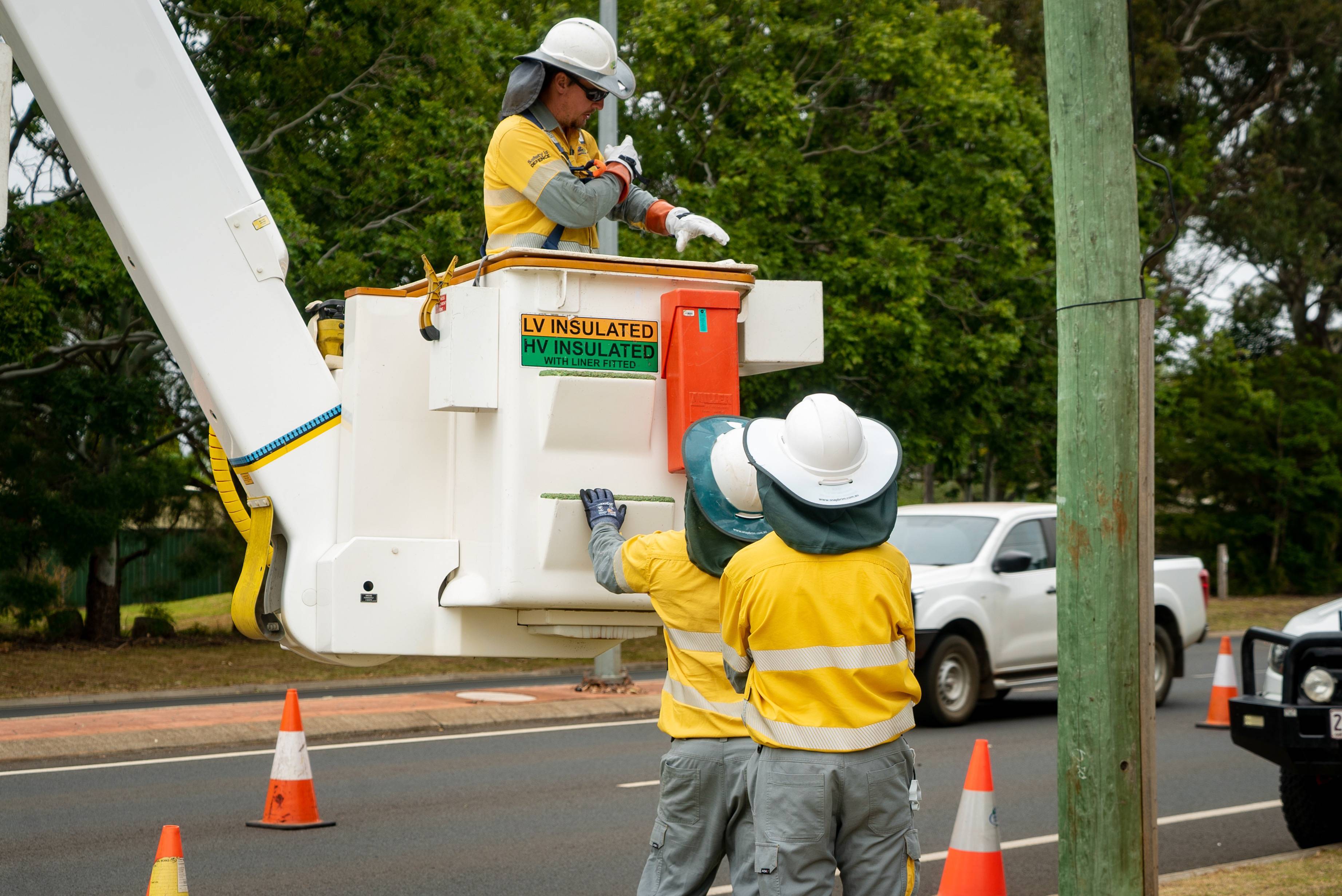
Sometimes a street light issue is more than just darkness. If you see sparks, exposed wires, a pole knocked over, or glass on the ground, treat it as an emergency. Call the Energex Faults line immediately and stay clear of the area.
Never try to fix or touch a street light yourself. Street lights operate at high voltage and can cause serious injury or death.
Why Do Some Lights Stay On During The Day?
Occasionally, you’ll see a street light glowing in broad daylight. This usually means the sensor or timer is broken. While it’s less urgent than a light not working at night, it still wastes energy and may lead to further faults. Report it using the same process.
The Role Of Technology In Street Lighting
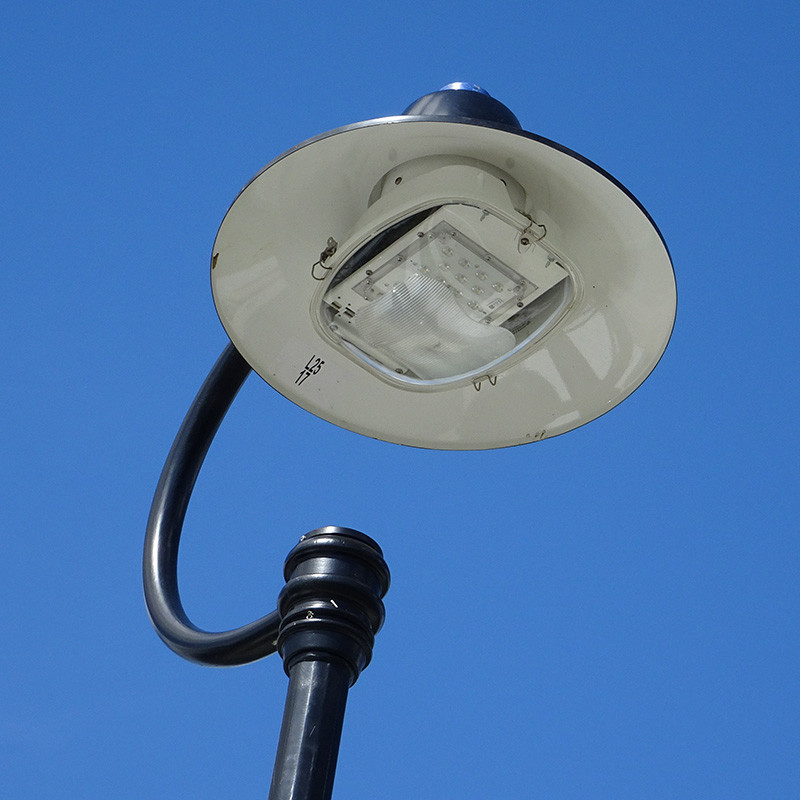
Modern street lights are smarter than ever. Many now use LED bulbs, which last longer and use less power. Some cities are installing “smart” street lights that:
- Report faults automatically
- Adjust brightness based on traffic
- Save energy with dimming features
Energex is gradually upgrading old lights to new models. This process is expected to save millions of dollars and cut carbon emissions.
A non-obvious insight: Smart lighting can also help with public Wi-Fi and environmental sensors, though this is still rare in Queensland.
How Street Light Repairs Are Prioritized
Energex and councils get thousands of street light fault reports each year. Not every problem can be fixed at once. Here’s how jobs are prioritized:
- Safety Hazards – Exposed wires, fallen poles, or lights near schools and major intersections come first.
- Multiple Lights Out – If a whole area is dark, it’s considered higher risk.
- Single Light Faults – Fixed as part of regular scheduled maintenance.
Repairs may also be delayed by:
- Bad weather (flooding, storms)
- Road works or traffic restrictions
- Shortages of parts or staff
Comparing Energex Street Lights With Council Lights
Many people wonder if there’s a difference between lights managed by Energex and those by councils. Here’s a simple comparison:
| Feature | Energex Lights | Council Lights |
|---|---|---|
| Typical Location | Streets, highways, main roads | Parks, walkways, parking lots |
| Reporting Method | Online, phone, app | Council website, phone |
| Repair Timeframe | 5–15 business days | Varies (often longer) |
| Type of Bulb | Mostly LED, some old types | Mix of LED and older bulbs |
| Ownership | Energex | Local government |
Understanding these differences helps you contact the right group and avoid wasted time.
How To Track Your Report
After you submit a fault, you might want to check progress. Energex offers a fault tracker on their website. You’ll need the reference number from your report. Updates are posted as the job moves from “received” to “in progress” to “completed.”
If you don’t see progress after two weeks, call the faults line for an update.
What If The Light Is Still Not Fixed?
Sometimes, repairs take longer than expected. If the street light is still not working after the estimated time:
- Check Your Report – Make sure you gave the correct location and pole number.
- Contact Energex Again – Give your original reference number.
- Follow Up with Council – If Energex says it’s not their light, ask your local council.
- Escalate – For ongoing problems, your local councilor or state MP can help get action.
Some people make the mistake of assuming their report was lost if they don’t see an instant fix. Delays are often due to supply shortages or complex repairs.
How To Help Keep Your Street Safe
While you can’t fix the light yourself, you can help your community:
- Report faults as soon as you notice them
- Encourage neighbors to do the same
- Join local safety groups or neighborhood watch
- Ask your council for lighting upgrades in problem areas
Better lighting means a safer, more welcoming place for everyone.
Credit: www.apdglobal.com
What To Avoid When Reporting A Fault
Many reports are delayed because of simple errors. Avoid these common mistakes:
- Giving the wrong street address or pole number
- Not describing the problem clearly (for example, just writing “not working”)
- Failing to mention if multiple lights are out
- Reporting a private light to Energex or council
- Not checking if the light is actually out (sometimes it’s on a timer and comes on later)
A smart tip: Wait until after dark to check the light—some come on late due to timers.
The Cost And Funding Of Street Lighting
Who pays for street lighting? In most cases, local councils pay Energex a fee for each light. This covers electricity, maintenance, and upgrades. The cost is usually included in your council rates. Upgrading to energy-saving LED lights is a way for councils to save money and reduce environmental impact.
According to Energex, switching to LED lights can cut energy use by up to 70% and last twice as long as old bulbs. This means fewer repairs and less downtime.
Credit: www.energex.com.au
Environmental Impact Of Street Lights
Street lights are important for safety, but they also use energy. Modern LED lights help reduce:
- Electricity use – Lower power bills for councils
- Carbon emissions – Less pollution from power plants
- Light pollution – Better designs aim light only where needed
Some people worry about too much light at night, which can affect wildlife and sleep. If you think a street light is too bright or shines into your window, you can ask for a shield or adjustment.
Legal And Insurance Issues
If an accident happens because of a broken street light, who is responsible? It depends on the situation:
- Energex or the council may be liable if they failed to fix a reported fault in a reasonable time.
- For injuries or car damage, you may be able to claim through their insurance.
However, you must be able to show you reported the problem and gave correct details. Always keep your reference number.
For more details on public lighting and liability, see the Queensland Government site.
Street Lighting And Crime Prevention
Better street lighting is proven to reduce crime, especially in areas with high foot traffic. Police often request extra lighting in known problem areas. If you feel your street is too dark, you can request an upgrade through your local council.
Include details like crime reports or accident statistics to support your case.
What If You Want A New Street Light Installed?
If your street is too dark or has no lights at all, you can request a new light. The process usually involves:
- Contacting Your Council – Submit a request or petition.
- Site Assessment – Council or Energex will check if a new light is needed.
- Approval – Funding and planning can take several months.
- Installation – If approved, a new pole and wiring will be installed.
Not all requests are approved. Factors include cost, road safety standards, and community support.
The Future Of Street Lighting In Queensland
Street lighting is changing fast. Here’s what’s coming next:
- More LED upgrades to save energy and reduce costs
- “Smart” lights that detect faults automatically
- Solar-powered street lights in remote areas
- Integration with traffic sensors and public Wi-Fi
These changes mean fewer outages, faster repairs, and lower bills in the long run.
Frequently Asked Questions
Why Does My Street Light Keep Flickering?
A flickering street light often means a loose connection or failing bulb. It can also happen if the control sensor is faulty. Report the issue with as much detail as possible, including when the flickering happens.
How Long Does It Take To Repair A Street Light?
Most simple faults are fixed in 5 to 10 business days. Larger repairs or complex electrical issues can take longer, sometimes up to several weeks. Safety hazards are handled immediately.
Who Do I Contact If The Street Light Is Outside A Park Or Playground?
Usually, local councils maintain lights in parks and playgrounds. Check your local council website for the reporting form or phone number.
Can I Fix A Street Light Myself?
No. Street lights are dangerous and use high voltage. Only trained technicians should repair them. Never climb a pole or touch exposed wires.
What If Multiple Street Lights Are Out On My Street?
If several lights are out, report this detail clearly. It may mean a larger power issue. Energex will prioritize the repair higher, as it affects safety for a larger area.
Bright, safe streets are a community effort. By reporting faults quickly and following the right steps, you help keep your neighborhood secure and comfortable for everyone.