When your outdoor sensor light stops working, it can be frustrating and even risky. Sensor lights help keep your home safe and make outdoor spaces more convenient. But when they fail, you lose light and security. This article will help you understand why your outdoor sensor light is not working, how to diagnose the problem, and what you can do to fix it. You’ll learn simple steps, get practical advice, and find out which mistakes most people make. If you’re tired of guessing or replacing bulbs without success, this guide is for you.
Common Reasons Your Outdoor Sensor Light Isn’t Working
Outdoor sensor lights usually fail for a few clear reasons. Let’s look at the most frequent causes:
1. Power Supply Issues
If the light isn’t turning on at all, check the power source. Outdoor lights depend on steady electricity. Sometimes the circuit breaker has tripped, a wire is loose, or the outlet is faulty. For example, if you recently had a power surge or storm, it can trip the breaker connected to your outdoor lights. Sometimes, the outdoor outlet is controlled by a switch inside the house—make sure it’s on.
2. Faulty Bulbs
It sounds simple, but burned-out bulbs are the top reason for failure. Many sensor lights use LED or halogen bulbs. If the bulb is dead, the sensor won’t trigger any light. Also, some bulbs can look fine but still not work due to internal damage.
Always try a new bulb to be sure.
3. Sensor Problems
Motion sensors and light sensors sometimes wear out or get dirty. If the sensor is blocked by dust, spider webs, or even paint, it may not detect movement or light changes. In some cases, insects nest inside the sensor housing, which can block the sensor’s “view” and affect performance.
4. Incorrect Settings
Sensor lights have controls for sensitivity, timer length, and ambient light detection. If these settings are wrong, the light may not work as intended. For example, if the timer is set too short, the light may turn off before you want.
If sensitivity is too low, it might not react to movement at all.
5. Weather Damage
Rain, snow, and extreme temperatures can damage sensors and wiring. Water can short-circuit parts, and heat can cause plastic to crack. In humid climates, condensation inside the housing is a hidden problem that people often miss.
6. Aging Or Worn-out Units
Most sensor lights last five to ten years. After this, the internal parts can fail. Sometimes, the sensor itself stops working, or the housing becomes brittle. You may notice the plastic turns yellow or the lens becomes cloudy, which affects light output and sensor accuracy.
Step-by-step Troubleshooting For Outdoor Sensor Lights
Diagnosing a sensor light that won’t work is easier with a clear plan. Here’s how to check each part:
1. Check The Power Source
- Look at the circuit breaker. Has it tripped? Even a small power surge can flip the breaker, so reset it even if you aren’t sure.
- Test the outlet using another device (like a phone charger). This quickly shows if the outlet has power.
- Inspect wiring for loose or frayed connections. If you see exposed copper or melted plastic, turn off the power and get help.
Some homes have outdoor outlets with GFCI buttons (test/reset). Press the “reset” button if you see it.
2. Inspect The Bulb
- Remove the bulb and check for dark spots or broken filaments. Sometimes, you can hear a rattle if the bulb is broken inside.
- Replace with a new bulb of the same type and wattage. Don’t guess—using the wrong bulb can cause more problems.
- If the new bulb works, the old one was the problem.
If you have an LED sensor light, sometimes the entire unit is sealed and the bulb cannot be changed. In this case, the whole fixture must be replaced.
3. Clean And Examine The Sensor
- Wipe the sensor gently with a soft cloth. Remove spider webs, dust, or debris. Don’t use harsh chemicals; plain water is usually safe.
- Look for any cracks or signs of water damage. Fog inside the sensor lens is a warning sign.
- Make sure nothing is blocking the sensor’s view. Even thin layers of dirt can block infrared light.
For hard-to-reach lights, use a broom with a soft cloth tied to the end.
4. Review Sensor Settings
- Adjust sensitivity settings. Try increasing or decreasing to see what works. Sometimes, a slight turn can make a big difference.
- Set the timer for a short period and test. This lets you see if the light responds and turns off as it should.
- Make sure the ambient light sensor isn’t set too high (it may stop the light from coming on at dusk). Some models have a “test” mode—use this to check operation quickly.
If your light has a remote or app, check for software updates or calibration options.
5. Test In Different Conditions
- Try triggering the sensor during both daylight and night. Some problems only appear in certain lighting.
- Move slowly in front of the sensor and see if the light responds. Quick movements can be missed by less sensitive sensors.
Ask someone else to walk in the detection zone while you watch the light.
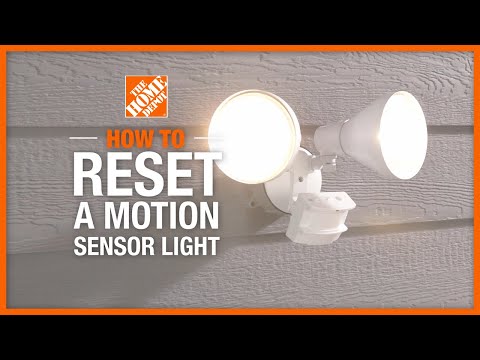
6. Reset The Unit
- Turn off the power for 30 seconds, then turn it back on. This can reset minor electronic glitches.
- Some models have a reset button—press it if available.
After resetting, wait a minute before testing, as some lights need time to recalibrate.
7. Inspect For Weather Damage
- Look for rust, cracks, or signs of water inside the housing. Rusty screws or peeling paint are warnings.
- If damaged, the unit may need replacement. Sometimes, you can repair small cracks with silicone, but big problems mean it’s time for a new fixture.
In coastal areas, salt can corrode metal parts faster—inspect more often if you live near the sea.
Understanding How Outdoor Sensor Lights Work
To fix a sensor light, it helps to know how they operate. Most outdoor sensor lights use passive infrared (PIR) sensors. These detect heat from moving objects, like people or animals. Some lights use photocells to sense daylight and only turn on at night.
The sensor sends a signal to the light fixture when it detects movement or darkness. If any part fails, the light may not turn on, or it may stay on all the time. For example, if the sensor’s lens becomes cloudy, it can’t “see” movement as well, even if the internal parts are fine.
Motion Sensor Vs. Light Sensor
- Motion sensor: Detects movement and triggers light. Good for security and paths.
- Light sensor: Measures ambient light and turns on only when it’s dark. Saves energy and avoids waste.
Some outdoor lights use both sensors. If either fails, the light won’t work as expected. For example, if the light sensor fails, the light might turn on during the day, wasting electricity.
Some smart sensor lights also connect to Wi-Fi or smart home systems. Problems with your home network or app can affect these advanced models.
Types Of Sensor Light Failures
Sensor lights fail in different ways. Here are the most common symptoms:
1. Light Never Turns On
Often caused by power, bulb, or sensor issues. Sometimes, a nearby strong light source confuses the sensor, making it think it’s always daytime.
2. Light Stays On All The Time
This usually means the sensor is stuck or the settings are wrong. It can also happen if a branch or moving flag is constantly in the detection zone.
3. Light Turns On During The Day
The ambient light sensor might be faulty or misadjusted. Reflections from windows or shiny cars can trick the sensor.
4. Light Flickers Or Flashes
Wiring problems, loose bulbs, or moisture inside the housing are possible causes. Sometimes, power surges or a weak transformer also cause flickering.
5. Light Only Works Sometimes
Poor sensitivity or blocked sensors can lead to intermittent operation. Heavy rain or fog can also reduce sensor accuracy.
If your light works fine for a few days, then fails, look for temperature or weather changes as possible triggers.
Comparing Sensor Light Technologies
Different sensor lights use different technologies. Here’s a comparison:
| Type | Main Feature | Common Problems | Typical Lifespan |
|---|---|---|---|
| PIR Sensor | Detects heat/movement | False triggers, blocked view | 7-10 years |
| Photocell | Senses daylight | Wrong settings, sensor aging | 5-8 years |
| Microwave Sensor | Senses motion via waves | Interference, sensitivity issues | 8-12 years |
PIR sensors are reliable for most homes because they only detect warm bodies, not leaves or rain. Microwave sensors can detect through thin walls but may trigger more false alarms, especially near busy streets. Photocells work best as dusk-to-dawn sensors.
If you’re replacing a sensor light, matching the sensor type to your needs and environment is important.
Practical Fixes For Outdoor Sensor Light Problems
Once you’ve identified the cause, here’s how to fix the most common issues:
Power Supply Fixes
- Reset the breaker. Even if it doesn’t look tripped, flipping it off and on can help.
- Tighten any loose wires. Turn off the power first and use insulated tools.
- Replace damaged outlets. Outdoor outlets should have weatherproof covers.
If you’re not comfortable with electrical repairs, call a professional.
Bulb Replacement
- Use bulbs recommended by the manufacturer. The wrong bulb can cause overheating or poor performance.
- Avoid mixing different bulb types (LED and halogen). Each needs different voltages and can damage the fixture.
- Check bulb wattage—too high or low can cause failure. Most outdoor fixtures have a sticker showing the correct wattage.
If the light is dim after replacing the bulb, check for corrosion in the socket.
Sensor Cleaning And Maintenance
- Clean sensors monthly, especially after storms. Even invisible dust can reduce sensitivity.
- Avoid spraying cleaners directly; use a damp cloth. Liquids inside the sensor can cause permanent damage.
Check for spider webs or insect nests around the sensor—they can block detection.
Setting Adjustments
- Start with middle sensitivity and adjust as needed. Extreme settings often cause problems.
- Set timer to 1–5 minutes for testing. After confirming operation, adjust to your preferred time.
If you’re not sure how to adjust settings, check the manual or the manufacturer’s website for diagrams.
Dealing With Weather Damage
- Seal cracks with weatherproof caulk. This prevents future water entry.
- Replace any rusted parts. Rust can spread to other metal pieces.
- If water got inside, let the unit dry completely before reinstalling. Use a hair dryer on a low setting if needed.
If the lens or housing is cloudy, polish gently with plastic cleaner.
Upgrading Or Replacing Units
Sometimes, older sensor lights just need replacement. New models are more reliable and energy-efficient. Look for units with:
- Weatherproof rating (IP44 or higher). This means protection from rain and dust.
- LED bulbs (longer life, lower power). LEDs save money on your electric bill.
- Adjustable sensors (easy to customize). You can fine-tune performance for your home.
Some units have built-in cameras or smart features. If you want extra security, look for these options.

Credit: www.reddit.com
Mistakes Most Beginners Make
Many people waste money or time by making these common errors:
1. Replacing The Bulb Without Checking The Sensor
If the sensor is dirty or broken, new bulbs won’t help. Always check the sensor before buying new bulbs.
2. Ignoring The Settings
Leaving sensitivity too low or timer too short stops the light from working. Test and adjust settings after installation.
3. Not Checking The Power Supply
A tripped breaker or loose wire can cause total failure. Don’t skip this step, especially after storms.
4. Using The Wrong Bulb Type
Mixing LED and halogen bulbs can overload the unit. Stick with what the manufacturer recommends.
5. Overlooking Weather Damage
Even small cracks let water in and ruin electronics. Inspect your sensor light every season.
Another common mistake is not reading the manual. Each model has small differences—check instructions before troubleshooting.
Signs That You Need A New Sensor Light
Sensor lights aren’t meant to last forever. Watch for these signs:
- Frequent failures
If you fix the light but it stops working again in weeks, the unit may be too old. Newer models also use less power.
- Physical damage
Cracks, rust, or water inside the housing means trouble. Small leaks get worse over time.
- Sensor doesn’t respond
If cleaning and adjusting don’t work, the sensor might be dead. Replacement is your best option.
- Light won’t turn off
This can signal a failed relay or stuck sensor. Constant “on” is a waste of energy and can shorten bulb life.
If your light is older than your other outdoor fixtures, consider replacing it for better performance.
Credit: www.homedepot.com
Choosing A Replacement Outdoor Sensor Light
If you need a new light, focus on these features:
1. Weatherproof Rating
Look for IP44 or higher. This means the unit can handle rain and dust. IP65 is even better for exposed areas.
2. Energy Efficiency
LED bulbs use less power and last longer. They also come in different colors and brightness levels.
3. Adjustable Sensors
You can change sensitivity and timing to fit your needs. Swivel sensors cover more area.
4. Easy Installation
Some models are plug-and-play, while others need wiring. If you’re not handy, pick a simple model.
5. Brand Reputation
Top brands offer better warranties and support. Read reviews before you buy.
Some lights now include mobile app controls or integration with smart home systems like Alexa or Google Home.
Comparing Popular Models
Here’s a comparison of three leading sensor lights:
| Model | Sensor Type | Weatherproof | Bulb Type | Warranty |
|---|---|---|---|---|
| Ring Floodlight Cam | PIR + Camera | IP65 | LED | 2 years |
| Heath Zenith SL-5418 | PIR | IP44 | Halogen | 1 year |
| LEONLITE Outdoor Security Light | PIR | IP65 | LED | 5 years |
Higher IP ratings mean better protection from weather. LED bulbs generally last longer than halogen. Some LED models also offer adjustable color temperature and dimming features.
Preventing Sensor Light Failure
You can avoid most problems with simple maintenance and smart placement.
Regular Cleaning
- Wipe sensors every month. Use a damp cloth and check for cobwebs or dirt.
- Clean after storms or pollen season. Pollen buildup is common in spring and blocks sensors.
Don’t forget to clean the lens as well as the sensor—both affect performance.
Smart Installation
- Place lights away from heavy trees or bushes. Branches move in the wind and trigger false alarms.
- Avoid pointing sensors at roads (moving cars can trigger them). Face sensors toward areas you want to protect.
If possible, mount the light at least 6–8 feet high for best coverage.
Annual Inspection
- Check wires and housing for signs of wear. Look for cracks or loose screws.
- Replace bulbs and batteries (if used) before they fail. Mark your calendar for a yearly checkup.
Check that the mounting bracket is still tight—wind and weather can loosen fixtures over time.
Update Settings Seasonally
- Adjust sensitivity as daylight hours change. Longer nights in winter may need different settings.
- Set timers longer in winter for more coverage. In summer, you may want shorter times to save energy.
Some smart sensor lights adjust automatically, but manual settings often need small tweaks.
Real-world Examples And Data
Let’s look at some real-life scenarios:
- In a survey of 1,000 US homeowners, 35% reported sensor light failures due to power issues. Many found that fixing a tripped breaker or replacing a GFCI outlet solved the problem.
- 22% said the main problem was dirty sensors. After cleaning, most lights worked again.
- 18% had trouble with incorrect settings or timer malfunctions. Many admitted they hadn’t read the manual and were unaware of certain features.
A study from the National Electrical Manufacturers Association (NEMA) shows that modern LED sensor lights last about 25,000 hours—much longer than older halogen models (about 5,000 hours). That means less hassle and lower costs over time.
One homeowner in Florida found that his sensor light failed every rainy season. After sealing the housing with silicone caulk, the problem stopped. Another in California fixed constant false triggers by adjusting the sensor away from a busy sidewalk.
Non-obvious Insights Most People Miss
1. Placement Matters More Than You Think
If your sensor light faces a busy street, it may trigger constantly and wear out faster. Placing the sensor where it sees only your yard or driveway avoids false triggers. Also, mounting too high can reduce sensitivity to small children or pets.
2. Ambient Light Sensors Are Sensitive To Reflections
Glass doors, shiny cars, or even puddles can confuse the sensor. If the light turns on during the day, check for reflective surfaces nearby. Moving a car or covering a window sometimes solves the problem without any repairs.
Another insight: Insects are drawn to the warmth of sensor lights. A tiny bug inside the sensor can cause it to stay on all night.
When To Call A Professional
Some issues are too complex for DIY fixes:
- If you find burnt wires or smell burning plastic, turn off power and call an electrician. This can be a fire risk.
- When the unit is high up or difficult to reach, professional help keeps you safe. Falls from ladders are a common home injury.
- If you’re unsure about wiring, don’t risk electric shock. Licensed electricians know how to fix safely.
Also, if you have multiple sensor lights failing at once, it may be a problem with your home’s electrical circuit—not just the light.
How Sensor Lights Improve Security
Sensor lights do more than just help you see at night. They deter burglars and make your property safer.
- Homes with sensor lights are 30% less likely to be targeted by criminals (FBI data).
- Well-lit entrances reduce slips and falls. Insurance companies sometimes offer discounts for homes with security lighting.
When your sensor light works well, you feel safer walking outside at night and can spot visitors before they reach your door.
If your sensor light isn’t working, your home is less protected. Reliable lighting is one of the simplest and cheapest ways to boost security.
Credit: www.youtube.com
Cost Of Repair Vs. Replacement
Sometimes, repairing is cheaper than replacing. But with modern prices, it’s often better to upgrade.
| Repair Type | Average Cost | Success Rate |
|---|---|---|
| Bulb Replacement | $10–$25 | 90% |
| Sensor Cleaning | $0 (DIY) | 80% |
| Wiring Repair | $75–$200 | 70% |
| Full Unit Replacement | $50–$250 | 99% |
If your light is over seven years old, replacing is usually a smarter choice. New fixtures save energy, last longer, and are often easier to adjust.
Environmental Impact Of Outdoor Sensor Lights
Modern LED sensor lights use less energy and last longer, reducing waste. Older halogen models consume more power and need frequent replacements.
- Switching to LED sensor lights can cut your outdoor lighting costs by up to 80%. Over a year, this adds up to real savings.
- Less frequent bulb changes mean fewer bulbs in landfills. LED bulbs are also mercury-free.
Some cities offer rebates for switching to LED security lights. Check your local utility’s website for details.
For more on energy-efficient lighting, visit US Department of Energy.
Frequently Asked Questions
What Should I Do If My Sensor Light Turns On During The Day?
Check the ambient light sensor settings. If the sensor is dirty or blocked, it may think it’s dark. Clean the sensor and adjust the settings. If the problem continues, the sensor may be faulty and need replacement. Also, check for reflections that might confuse the sensor.
Why Does My Sensor Light Stay On All Night?
This usually means the motion sensor is stuck or the sensitivity is too high. Try resetting the unit and lowering sensitivity. If it still stays on, inspect for moisture or physical damage to the sensor. Sometimes, pets or tree branches can trigger the sensor repeatedly.
Can I Use Any Bulb In My Outdoor Sensor Light?
No, use only recommended bulb types. Mixing LED and halogen bulbs can damage the unit. Check the manufacturer’s guidelines for wattage and type. If unsure, bring the old bulb to the store and ask for an exact match.
How Often Should I Clean My Sensor Light?
Clean your sensor light once a month and after storms. Dust, pollen, and spider webs can block the sensor, causing failures. Insects are common around warm lights—check for nests or webs.
When Should I Replace My Outdoor Sensor Light?
Replace your sensor light if it’s over seven years old, shows physical damage, or doesn’t respond to cleaning and setting changes. New units offer better performance and energy savings. If you notice constant problems, upgrading saves time and money long-term.
If your outdoor sensor light isn’t working, don’t panic. With careful troubleshooting and a little maintenance, most problems can be fixed quickly. Keep your sensor light clean, check settings regularly, and replace old units when needed. A reliable sensor light means a safer, brighter home.