A blinking light on your hot water heater can be confusing and even a bit worrying. Many homeowners see a flashing indicator and wonder: Is something wrong? Is it normal? Will my hot water stop working soon? Understanding what the light means, and how to respond, helps you keep your home running smoothly. This article explains why water heater lights blink, what different blinking patterns mean, and how you can solve common problems safely. Whether your heater is gas or electric, you’ll find clear answers below.
Why Do Hot Water Heater Lights Blink?
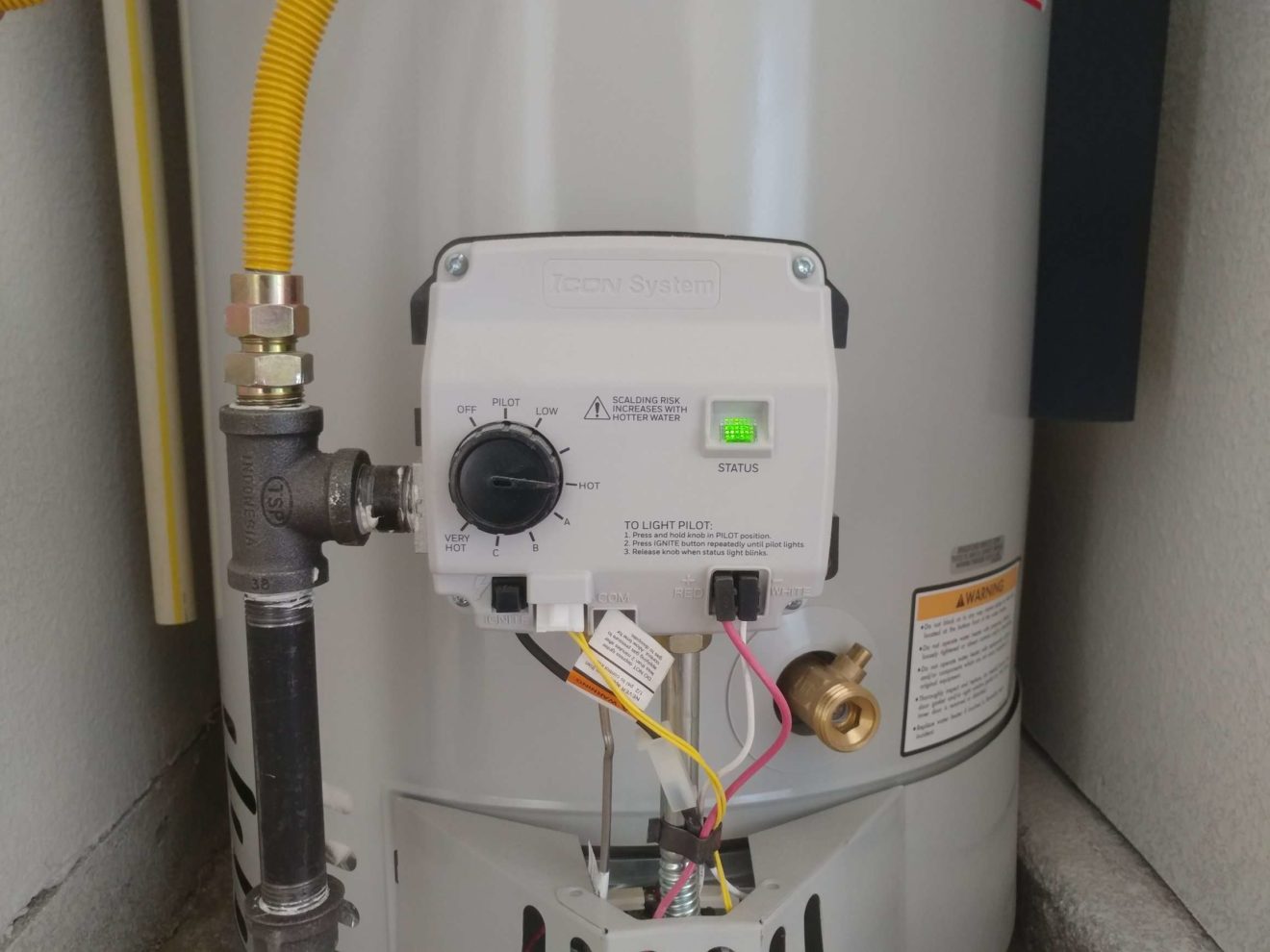
Most modern hot water heaters have a status light or indicator. This small LED usually sits near the control panel. It’s there to tell you about the heater’s current state. A blinking light does not always mean trouble. In many models, the light blinks to show normal operation. But in other cases, a certain number of blinks can signal an error or warning.
Manufacturers use these lights to make diagnostics easier. Instead of hidden problems, you get a visible clue. But each brand and model uses its own code. That’s why it’s important to check your heater’s manual. If you lost your manual, you can often find codes online by searching for your model number.
Common Blinking Patterns And What They Mean
While codes differ, some patterns are common across brands. Here’s a look at what different blinking sequences may mean.
| Blink Pattern | Possible Meaning | Typical Action Needed |
|---|---|---|
| Steady Blink (every few seconds) | Normal operation | No action needed |
| Rapid Blinking | Error detected | Check manual for code |
| 2 Blinks, Pause | Ignition failure (gas models) | Inspect gas supply and igniter |
| 4 Blinks, Pause | Overheat or sensor issue | Check for blocked vents, call a technician |
| No Light | No power or dead control board | Check circuit breaker, call for repair |
Example: Rheem Gas Water Heater
Many Rheem gas water heaters use a blinking red LED. One blink every three seconds is normal. Two blinks means a system lockout, which may require resetting. Five blinks often signal a sensor problem. Always confirm with your specific model.
Example: Ao Smith Electric Water Heater
AO Smith electric units may show a blinking light if the heating element fails. Three blinks could mean a temperature sensor issue. Again, check your manual for exact meanings.
How To Respond To A Blinking Light
If you see your hot water heater light blinking, don’t panic. Follow these steps to diagnose and respond:
1. Observe The Pattern
Count the blinks and note the timing (how many blinks, then a pause).
2. Find Your Model’s Code
Check your water heater’s front panel or manual. Most have a code chart. If not, search online with your model number.
3. Identify The Meaning
Match the blinking pattern to the code chart. This tells you if it’s normal or an error.
- Take Action if Needed
- If normal: No action needed.
- If error: Try simple fixes (resetting, checking power).
- If unsure: Contact a professional.
Resetting Your Water Heater
Some error codes clear with a simple reset. For most models, you can:
- Turn off the power for 30 seconds, then turn it back on.
- For gas models, you may need to turn the gas control knob to “off,” wait, then back to “on.”
Never try to reset repeatedly if the problem returns. That can make issues worse.
Typical Causes Of Error Blinks
When a hot water heater light blinks an error code, several things could be wrong. Here are some common causes:
1. Ignition Failure (gas Models)
If the unit can’t light the burner, it may blink rapidly or in a set pattern. Causes include:
- No gas supply (check the shut-off valve)
- Dirty or faulty igniter
- Clogged burner
2. Overheat Protection
If the tank gets too hot, the control will shut down and blink a warning. This can happen if:
- The thermostat sticks
- A sensor fails
- The vent is blocked
3. Sensor Or Thermostat Issues
Most modern heaters have several sensors. If one fails or gets a bad reading, you’ll see an error code. Replacing a sensor is often a job for a technician.
4. Electrical Problems
For electric heaters, a blinking light can mean:
- Tripped circuit breaker
- Burned-out heating element
- Loose wiring
5. Power Supply Problems
If your heater loses power, the light may blink or go out. Check the circuit breaker first. For gas models, also check for a pilot light or electronic ignition.
Credit: www.pacfiber.com
When To Call A Professional
Some water heater issues are DIY-friendly. Others are not. Here’s when you should call a trained technician:
- You smell gas or suspect a leak.
- You see water leaking from the tank.
- You reset the unit but the error returns quickly.
- The light blinks a code you can’t find or fix.
- The heater is old and has repeated problems.
Working with gas or high-voltage electricity is dangerous. If you’re unsure, always get expert help.
How To Prevent Blinking Light Errors
You can reduce the chances of error codes with good maintenance. Here’s how:
- Flush the tank once a year to reduce sediment.
- Check the vent (for gas models) to make sure it’s clear.
- Inspect wiring and connections for signs of wear or corrosion.
- Replace anode rods every 3–5 years to prevent tank corrosion.
- Test the temperature-pressure relief valve for proper function.
These steps help your heater run smoothly and extend its life.
Gas Vs. Electric Heater Light Codes
The meaning of a blinking light can depend on the type of water heater you own.
| Type | Common Light Location | Typical Blinking Codes | What to Check First |
|---|---|---|---|
| Gas | Near gas control valve | Ignition, flame, sensor errors | Gas supply, vent, igniter |
| Electric | Front panel or thermostat | Element, overheat, sensor errors | Power supply, elements, wiring |
If you’re not sure what type you have, look for a gas line (metal pipe) or a heavy electric cable going into your heater.
Common Myths About Blinking Lights
Many people believe that a blinking light always means trouble. That’s not true. Here are some common myths:
- Myth: Any blinking means the unit is about to fail.
Fact: Many heaters blink during normal operation.
- Myth: You must call a repairman for any blinking light.
Fact: Some issues (like a tripped breaker) are easy to fix yourself.
- Myth: You should ignore blinking if you still have hot water.
Fact: Some error codes warn about future problems, even if hot water is still available.
What Beginners Often Miss
If you’re new to home maintenance, it’s easy to overlook these details:
- Blinking speed matters. A slow, steady blink is often normal. Rapid blinking is usually an error.
- Power cycling is not always safe. Turning the heater off and on can clear some codes, but not all. If the error returns, don’t keep trying; you could damage the unit.
- Error codes can change. If you fix one problem, another may appear. Always re-check the code after any repair.
- Manuals and stickers matter. The answer is often right on the heater itself—most have a code chart.
Safety Tips When Dealing With Hot Water Heaters
- Turn off power before working. For electric units, shut off the circuit breaker. For gas, turn the gas control to “off.”
- Use proper tools. Don’t try to open panels or remove parts with makeshift tools.
- Never bypass safety switches. These are there to protect you and your home.
- Call for help if you smell gas or see water leaking.

Credit: sebastianmanz.com
When A Blinking Light Means It’s Time To Replace
No water heater lasts forever. If you see frequent error codes, or if the unit is over 10 years old, it may be time to consider replacement. Signs that a new heater is a better choice:
- Multiple error codes in a short time
- Leaking tank (not repairable)
- Rusty or discolored hot water
- High energy bills (sign of failing efficiency)
A new unit will have better safety features and use less energy. If you’re unsure, ask a professional for advice.
How To Read Error Codes Without A Manual
Lost your manual? You’re not alone. Try these steps:
- Look for a sticker. Many heaters have a code chart on the side or inside the access panel.
- Search online. Type your brand and model number plus “error codes.” Manufacturer websites are best.
- Check video guides. Many repair professionals post step-by-step videos online.
- Call the manufacturer. They can often email you a PDF manual.
For extra support, you can visit the U.S. Department of Energy Water Heating Guide for general advice and safety tips.

Credit: www.youtube.com
Frequently Asked Questions
Why Is My Hot Water Heater Light Blinking Continuously?
A continuous blinking light often means normal operation in many heaters. However, if the blink is rapid or the water is not hot, it could mean an error code. Always check your model’s code chart to confirm.
How Do I Reset My Hot Water Heater After A Blinking Error Code?
To reset, turn off the power or gas supply for 30 seconds, then turn it back on. Some heaters have a dedicated reset button—press it if your model does. If the code returns, call a technician.
Is It Safe To Use The Water Heater If The Light Is Blinking?
If the heater is working and the blink means normal operation, yes. If the code signals an error, avoid using hot water until you fix the problem. Continued use can damage the unit or cause leaks.
Can I Fix A Blinking Light Issue Myself?
Simple issues—like a tripped breaker or unplugged unit—can often be fixed by homeowners. If the code points to a sensor, igniter, or element problem, or if you smell gas, call a professional.
What Should I Do If My Water Heater Shows No Light At All?
No light can mean a power issue, dead control board, or blown fuse. Check the breaker and power supply first. If those are fine, you may need a technician to replace internal parts.
A blinking light on your hot water heater isn’t always a problem, but it’s a sign you should check things out. With a little knowledge, you can spot the difference between normal operation and a real error. By staying alert and handling issues early, you’ll enjoy reliable hot water and avoid bigger repair bills down the road.