When your furnace starts acting up, it can feel stressful—especially during cold weather. One of the most worrying signs is seeing the red light blinking continuously on your furnace control board. This isn’t just a random signal; it’s your furnace’s way of telling you that something is wrong and needs attention. Understanding what this blinking means, what causes it, and how you should respond can help you stay safe, warm, and avoid expensive repairs.
What Does A Furnace Red Light Blinking Continuously Mean?
The red light on a furnace is part of a built-in diagnostic system. Modern furnaces use a series of blinking lights to show their current status or signal errors. When you see a red light blinking continuously—sometimes called a “continuous flash” or “steady blinking”—it is almost always a sign of a problem.
This is different from a steady red light (which usually means the system is okay) or a slow blink (which often means the system is in standby mode). A continuous or rapid blink is your furnace’s way of saying “there’s a fault—check me now.
”
Common Causes Of A Blinking Red Furnace Light
Several issues can cause a furnace red light blinking continuously. Some are minor and easy to fix, while others need professional help. Here are the most common reasons:
- Ignition Failure: The furnace can’t light the burner, often due to a faulty igniter or blocked flame sensor.
- Dirty Air Filter: A clogged filter restricts airflow, causing the system to shut down for safety.
- Faulty Pressure Switch: This switch checks if air is moving through the system. If it fails, the furnace may not start.
- Blocked Vents or Flues: Blockages stop exhaust gases from escaping, which can trigger safety shutdowns.
- Loose or Damaged Wires: Vibrations or old age can cause wires to disconnect or break.
- Thermostat Problems: Incorrect settings, dead batteries, or wiring issues can confuse the system.
- Overheating: Internal sensors will shut down the furnace if it gets too hot.
Let’s take a closer look at a few of these issues and how they affect your furnace.

Credit: www.reddit.com
How To Diagnose The Problem
Before you panic or call for expensive repairs, you can do a few checks yourself. Follow these steps to better understand what’s happening:
1. Count The Blinks
Most furnace control boards use a blink code system. Some blink steadily, while others blink in patterns (for example, two quick blinks, pause, two more). The number and speed of blinks often match a specific error code.
- Check your furnace manual for the blink code chart. If you don’t have the manual, you can usually find it online by searching your furnace model.
- Write down the blink pattern. This will help if you need to talk to a technician.
2. Check The Air Filter
A dirty air filter is one of the most common (and easily fixed) causes of furnace issues. It restricts airflow and can cause the furnace to overheat or shut down.
- Pull out the filter and hold it up to the light. If you can’t see light through it, it’s time to replace it.
- Most filters should be changed every 1-3 months during heavy use.
3. Inspect The Thermostat
The thermostat tells the furnace when to turn on and off. Problems here can look like bigger furnace issues.
- Make sure the thermostat is set to “heat” and the temperature is above the current room temperature.
- Replace the batteries if it’s battery-powered.
- Check the wires for any obvious damage.
4. Look For Blocked Vents
Blocked supply or return vents can cause airflow problems.
- Make sure all vents are open and not covered by furniture or rugs.
- Check outside vents for snow, leaves, or other debris.
5. Reset The Furnace
Some furnaces have a reset button. Turning the power off for 30 seconds and then back on can sometimes clear minor errors.
When To Call A Professional
If you’ve checked all the above and the red light is still blinking, or if you see signs of serious trouble (like strange smells, loud noises, or repeated shutdowns), it’s best to call a licensed HVAC technician. Working inside a furnace can be dangerous if you’re not trained.
Comparing Common Furnace Error Codes
Different brands and models use different codes, but here’s a general comparison for three popular furnace brands:
| Error Code | Carrier Furnace | Trane Furnace | Goodman Furnace |
|---|---|---|---|
| Continuous Red Blink | Ignition Lockout | Pressure Switch Error | Limit Switch Fault |
| Two Red Blinks | Pressure Switch Closed | Flame Sensed When Off | Pressure Switch Stuck |
| Three Red Blinks | Draft Inducer Error | Limit Switch Fault | Open High Limit |
Always check your specific furnace manual for the correct meaning of the blink codes.
What To Do If Your Furnace Red Light Blinks Continuously
When you see this signal, stay calm. Some issues can be fixed quickly, while others need a pro. Here’s a step-by-step guide:
- Turn off the furnace power at the breaker or switch.
- Check and replace the air filter if it’s dirty.
- Inspect the thermostat for correct settings and working batteries.
- Look for blocked or closed vents inside and outside the house.
- Reset the furnace if your model allows.
- Check the control board for blink codes and match them with your manual.
- Call a professional if the error continues or you suspect a bigger problem.
Extra Safety Tips
- Never try to bypass safety switches or sensors.
- If you smell gas or see flames, leave the area and call emergency services.
- Always turn off the power before opening the furnace panel.
Preventing Furnace Red Light Issues
Most furnace problems can be avoided with simple, regular maintenance. Here’s how to reduce the risk of seeing that blinking red light:
- Change the air filter regularly (at least every 3 months).
- Have a professional inspect and clean your furnace once a year.
- Keep vents and flues free from blockages.
- Don’t set the thermostat too high for long periods.
- Check for and fix drafty windows and doors to reduce furnace overwork.
These steps not only prevent errors but also help your system run more efficiently, saving you money on energy bills.

Credit: www.youtube.com
Data: How Often Do Furnaces Fail?
Data from the US Department of Energy shows that furnace breakdowns most often happen because of lack of maintenance. Here’s a simple look at common causes:
| Cause of Furnace Failure | Percentage of Cases |
|---|---|
| Dirty Filters | 41% |
| Ignition Issues | 23% |
| Thermostat Problems | 16% |
| Electrical Faults | 11% |
| Other Causes | 9% |
This shows that keeping your filter clean and scheduling regular maintenance can prevent more than half of all furnace problems.
Non-obvious Insights For Homeowners
Most beginners focus on the filter and thermostat, but here are two lesser-known tips:
- Check the furnace door switch: Many furnaces have a safety switch that stops operation if the door panel isn’t closed properly. Even a slightly loose panel can trigger a red blinking light. Make sure the panel is secure after checking inside.
- Humidity matters: Low humidity in winter can cause static electricity, which sometimes interferes with furnace electronics. If you live in a dry area, using a humidifier can help your furnace run more reliably.
When A Blinking Red Light Is Not A Problem
In rare cases, a blinking red light is normal—for example, during system startup or when running a self-check. Some models use a temporary blink to show they are booting up. If the blinking stops after a minute or two and the furnace starts working, there’s usually no issue.
However, if the blinking continues and the furnace doesn’t heat, you have a real problem.
How To Choose The Right Hvac Technician
When you do need help, it’s important to pick a qualified HVAC professional. Here are a few things to check:
- License and insurance: Always ask to see proof. This protects you from poor work and accidents.
- Experience with your brand: Some brands (like Trane or Carrier) have unique systems.
- Clear pricing: Get a written quote before work begins.
- Good reviews: Check online or ask neighbors for recommendations.
A skilled technician can quickly read error codes, test components, and safely fix your furnace.
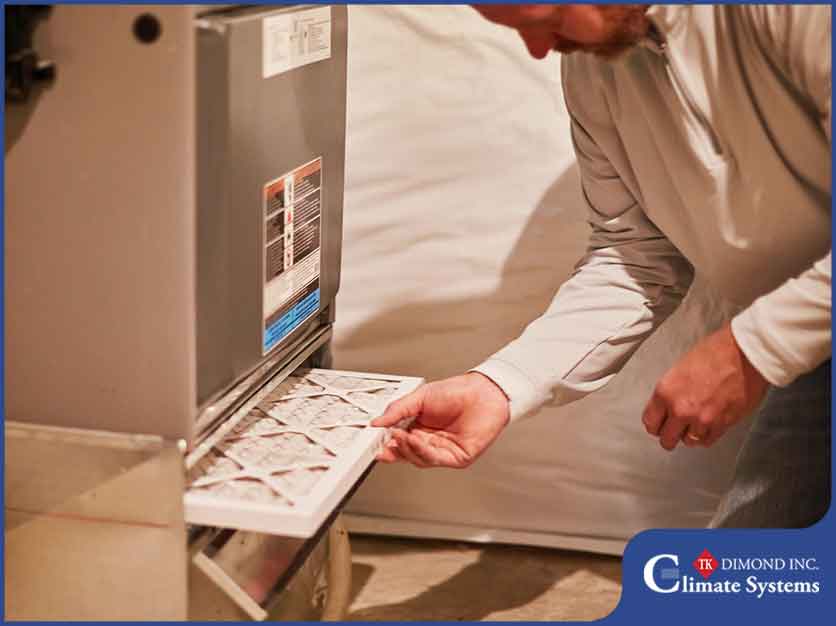
Credit: www.climatesystems.net
Cost Of Furnace Repairs
Repairs for issues that cause a red light blinking continuously can vary in price. Here’s a rough comparison of common repairs:
| Repair Needed | Average Cost (USD) |
|---|---|
| Replace Air Filter | $10 – $30 |
| Igniter Replacement | $150 – $300 |
| Pressure Switch Repair | $100 – $250 |
| Thermostat Repair | $80 – $200 |
| Control Board Replacement | $300 – $600 |
Regular maintenance is much cheaper than waiting for a breakdown.
The Importance Of Timely Action
Ignoring a blinking red furnace light can lead to bigger, more expensive problems. Early action can mean the difference between a quick filter change and a full system replacement. Plus, some issues (like blocked vents or gas leaks) can be dangerous if not fixed right away.
Frequently Asked Questions
What Does A Red Blinking Light On My Furnace Mean?
A red blinking light usually signals a fault or error in your furnace. The specific meaning depends on the number and speed of blinks. Always check your furnace manual or the blink code chart on your furnace panel.
Can I Fix A Blinking Red Furnace Light Myself?
You can often fix simple causes like dirty filters or thermostat issues. If these steps don’t help, or if you’re unsure, it’s safest to call a professional to avoid damaging your furnace or risking your safety.
How Do I Reset My Furnace After Fixing A Problem?
Turn off the power to the furnace at the main switch or breaker for at least 30 seconds. Turn it back on and see if the blinking stops. If it continues, check for error codes or call a technician.
Is It Dangerous To Ignore A Continuously Blinking Red Light?
Yes, ignoring it can cause further damage or even create safety risks, especially with gas furnaces. Always investigate and fix the problem quickly to stay safe and warm.
Where Can I Find More Information About Furnace Error Codes?
You can find detailed information in your furnace’s user manual or on the manufacturer’s website. For a general guide, the U.S. Department of Energy offers helpful resources.
When your furnace’s red light starts blinking, don’t ignore it. With a little knowledge and prompt action, you can often solve the problem quickly—or know when to call for help. Stay safe and keep your home warm all winter.