Most kitchens today rely on good lighting to make cooking safer and easier. If you own a Zephyr range hood, you probably use its light almost every day. When the Zephyr hood light stops working, it can feel like a small disaster. Suddenly, your stovetop is dark, and you’re left guessing if your food is cooked right. Whether you’re a homeowner, renter, or even a landlord, fixing this issue quickly matters. This guide will help you understand why the Zephyr hood light fails, how to fix it, and what to do if you need more help. You’ll find practical steps, real examples, and clear advice—all written for those who prefer simple English.
Why Zephyr Hood Lights Stop Working
A Zephyr hood is more than just a fan; its built-in light is essential for visibility and ambiance. If the light goes out, the cause is usually one of a few common problems. Some issues are easy to fix, while others require careful troubleshooting or professional help. Getting to the root of the problem saves time and avoids stress, especially in busy households.
The Most Common Causes
- Burnt-out bulb: The bulb is the easiest part to replace, but many people forget to check it first. You might notice the bulb looks dark or cloudy inside. Sometimes, the filament breaks, and you can see a thin wire hanging loose.
- Faulty light switch: If the switch is broken, the bulb won’t get power. You may notice the switch feels different—loose, stuck, or not clicking as usual. A broken switch can sometimes make the light work only sometimes, making it confusing to diagnose.
- Loose wiring: Vibration from the fan or cleaning can shake wires loose. If you recently cleaned the hood or moved it, a wire may have slipped out of place. Loose wires may cause the light to flicker or not work at all.
- Blown fuse: Some models have a dedicated fuse for the light. A fuse protects the circuit from overloads, and when it blows, it cuts off power to the light. This is a safety feature, but it’s easy to miss unless you know where to look.
- Damaged socket: If the bulb socket is worn, the bulb won’t connect properly. You might see rust, corrosion, or bent metal inside the socket. Sometimes, sockets get damaged if bulbs are forced in or if moisture gets inside.
- Control board failure: Advanced Zephyr models use electronic boards. If they fail, the light may not work even if everything else looks fine. This is less common but can cause multiple problems, including lights, fan speed, and display errors.
Uncommon Issues Most People Miss
- Voltage fluctuation: If your home’s voltage is unstable, it can damage the light circuit. You may notice other appliances behaving strangely, or the hood light may flicker unexpectedly. Voltage changes often happen in older homes or during storms.
- Moisture buildup: Steam or water can corrode parts inside the hood, especially after frequent cleaning. If water drips onto the bulb or socket, it can cause short circuits or rust. This is more likely in kitchens without good ventilation or after cleaning with wet sprays.
Even experienced users sometimes overlook these less obvious causes, leading to repeated bulb failures or ongoing electrical problems. For example, a person might replace bulbs several times before realizing moisture is corroding the socket, or that unstable voltage is damaging electronics.
How To Diagnose The Problem
Before you call a technician, try these simple steps. They work for most Zephyr hood models and can save you time and money. Careful diagnosis prevents unnecessary repairs and helps you pinpoint the real cause.
Step-by-step Troubleshooting
- Check the bulb: Remove the bulb and look for black marks or a broken filament. If your bulb is LED, check for signs of burning or melted plastic.
- Test the switch: Toggle the switch several times. Listen for clicking sounds; a silent switch may be broken. If you feel resistance or the switch feels loose, it’s likely faulty.
- Look for loose wires: Unplug the hood, then carefully open the panel. Gently tug on each wire to see if any are loose. Sometimes, wires look connected but are not fully seated.
- Inspect the fuse: Find the fuse holder, often near the control panel. If the fuse looks blackened or broken, replace it. Always match the fuse rating—using the wrong fuse can cause damage.
- Try a new bulb: Sometimes bulbs look fine but are still faulty. Use a new bulb with the same wattage. If you try several bulbs and none work, it points to another issue.
- Check the socket: Look for corrosion or bent contacts inside the socket. A socket that smells burnt or feels rough is likely damaged.
- Reset the hood: Turn off power for 5 minutes, then turn it back on. This can fix minor electronic glitches. If the light works after resetting, the issue was probably electronic.
Tips For Safe Troubleshooting
- Always unplug the hood before touching any internal parts. Electricity can cause shocks, even if the hood seems off.
- Use gloves to avoid cuts or burns. Metal edges inside the hood can be sharp, and bulbs can be hot.
- Keep a flashlight nearby if your kitchen is dark. This helps you see wires and sockets more clearly.
If you’re unsure about any step, take pictures before you start. This helps you remember how parts fit together and avoids mistakes when reassembling.

Credit: www.youtube.com
Zephyr Hood Light Types And Compatibility
Zephyr hoods use different bulb types depending on the model. Using the wrong bulb can cause the light to fail or even damage the hood. Choosing the right bulb is more than just matching wattage—it’s about safety and performance.
Common Bulbs Used In Zephyr Hoods
- Halogen bulbs: Bright and efficient, but can run hot. These bulbs are often used for their strong, focused light. However, they require careful handling because oil from your fingers can cause them to burn out faster.
- LED bulbs: Cool, long-lasting, and energy-saving. LED bulbs are popular for their low energy use and long lifespan. They also produce less heat, making them safer in homes with kids or pets.
- Incandescent bulbs: Older models may use these. Incandescent bulbs give a softer light but are less efficient and need replacing more often.
| Bulb Type | Average Lifespan | Wattage Range | Cost Range |
|---|---|---|---|
| Halogen | 1,000-2,000 hours | 20-50W | $3-$7 |
| LED | 20,000-50,000 hours | 3-10W | $5-$15 |
| Incandescent | 750-1,500 hours | 15-40W | $2-$6 |
Some Zephyr hoods allow bulb upgrades, while others require you to stick with the original type. Always check compatibility before switching bulb types.
How To Find The Right Bulb
- Check your hood’s model number (often found inside the filter area). Write it down before shopping for bulbs.
- Read the manual or look up specs online. Manuals provide details on size, shape, and wattage limits.
- Match bulb wattage and size. Using higher wattage can cause overheating. For example, if your hood allows 35W max, don’t use a 50W bulb.
- For LED upgrades, make sure the socket is compatible. Some older sockets may not fit modern LED bulbs, or may need adapters.
Common Mistakes
- Using a bulb that is too powerful. This can cause the hood’s light cover to melt or even damage the wiring.
- Installing a bulb with the wrong base size. Bulbs with similar shapes may have different bases, leading to poor connections.
- Forgetting to check bulb orientation (some LEDs only work one way). Always read packaging instructions, especially for specialty bulbs.
If you’re unsure, take the old bulb to the store or compare it to online photos. It’s also helpful to measure the bulb and socket for a perfect fit.
Replacing The Zephyr Hood Light
Replacing the bulb is often the easiest fix, but doing it right prevents future issues. Many people rush this step and end up damaging the socket or cover.
How To Replace The Bulb
- Turn off power: Unplug the hood or switch off the circuit breaker. This prevents shocks and protects your hood.
- Remove the cover: Use a screwdriver if needed. Some covers twist off. Be gentle—plastic covers can crack if forced.
- Take out the old bulb: Gently twist or pull, depending on the socket type. If the bulb is stuck, wiggle it slightly, but never force it.
- Install the new bulb: Align it carefully; don’t force it. Make sure it’s seated firmly, but not overly tight.
- Replace the cover: Secure it tightly to keep out moisture. If the cover doesn’t fit, check for debris or misalignment.
- Turn on power: Test the light. If it doesn’t work, double-check all connections and try another bulb.
Practical Tips
- Use a clean cloth to handle the bulb. Oil from your fingers can shorten bulb life, especially for halogen bulbs.
- Avoid touching hot bulbs; let them cool first. Hot bulbs can cause burns and are easier to break.
- If your new bulb flickers or doesn’t turn on, double-check the socket and switch. Sometimes, sockets need cleaning or adjustment.
If you encounter resistance while installing the bulb, stop and check for alignment. Forcing bulbs can bend socket contacts and create long-term problems.
What If The New Bulb Doesn’t Work?
- Try another bulb. Occasionally, new bulbs are defective out of the box.
- Check fuse and wiring again. Even if everything looks fine, a blown fuse or loose wire can hide behind panels.
- Consider that the socket or control board may be faulty. If you’ve tried several bulbs and checked the fuse, it’s time to look deeper.
If you’re stuck, write down every step you’ve tried. This helps technicians diagnose the problem faster and avoids repeating tests.
Advanced Repairs: Switch, Fuse, And Control Board
If the bulb is fine, but the light still won’t work, you may need to repair other parts. These fixes are more complex and sometimes require an expert. Understanding these steps helps you decide whether to attempt them or call for help.
Replacing The Light Switch
Many Zephyr hoods use a rocker or push-button switch. If the switch feels loose or doesn’t click, it may need replacement.
Steps
- Unplug the hood. Safety comes first.
- Open the control panel. This may require removing screws or sliding panels.
- Disconnect wires from the old switch. Take a photo before removing wires to remember their placement.
- Install new switch, reconnect wires. Make sure connections are tight.
- Test before closing the panel. If the switch works, close up and restore power.
If your hood has electronic controls, replacing the switch may require specialized parts. Always use genuine replacements for best results.
Changing The Fuse
Some Zephyr models use a glass cartridge fuse. Fuses protect circuits from overload.
Steps
- Locate the fuse holder. It’s usually near the control board or inside the main panel.
- Remove the old fuse. Use a fuse puller or tweezers if needed.
- Insert a new fuse with the same rating. Never use a higher-rated fuse; it can cause fire hazards.
- Restore power and test. If the new fuse blows immediately, there’s a deeper electrical problem.
Fuses are small but important. If your hood blows fuses often, check for wiring issues or overloaded circuits.
Fixing The Control Board
Modern Zephyr hoods use electronic boards to control lighting and fan speed. If all else fails, the control board may be the problem.
Signs Of Control Board Failure
- Light won’t turn on, even with new bulbs and fuses.
- Display errors (on digital models). You may see blinking numbers or error codes.
- Hood behaves oddly (random fan speeds, no response). Sometimes, the hood resets itself or stops working suddenly.
What To Do
- Order a replacement board from Zephyr or a certified dealer. Use your model number to find the correct part.
- Installation usually requires removing several panels and reconnecting wires. This can be tricky without experience.
- If you’re unsure, call a technician. Control boards are sensitive, and mistakes can damage your hood further.
Some users try to repair control boards themselves, but this is risky and may void the warranty. Only attempt if you’re confident and have the right tools.
Professional Help Vs. Diy
Not every fix is safe for beginners. Knowing when to call a pro can save you from bigger problems. Trying to fix complex issues without proper knowledge can cause more damage or safety risks.
When To Try Diy
- Simple bulb replacement. Most people can do this safely.
- Checking and replacing fuses. Fuses are easy to access and inexpensive.
- Minor wiring fixes if you’re comfortable. If you know basic electrical safety, you can reconnect loose wires.
DIY saves money, but always stop if you feel unsure or notice unexpected problems. Safety should be your priority.
When To Call A Technician
- Control board issues. Electronic repairs require special tools and knowledge.
- Major wiring repairs. If wires are burnt, melted, or tangled, call a pro.
- If the hood is still under warranty. Professional repairs protect your warranty rights.
Calling a technician may cost more, but ensures repairs are done safely and correctly.
Average Repair Costs
| Repair Type | DIY Cost | Professional Cost | Time Required |
|---|---|---|---|
| Bulb Replacement | $5-$15 | $60-$120 | 10 min |
| Switch Replacement | $10-$25 | $80-$150 | 30-45 min |
| Fuse Replacement | $5-$10 | $70-$130 | 15-20 min |
| Control Board Replacement | $60-$180 | $200-$350 | 1-2 hours |
How To Find A Qualified Technician
- Use Zephyr’s official service locator. This connects you with certified experts.
- Ask for certification and experience. Technicians should know Zephyr models and have proper training.
- Get a repair quote before agreeing. Ask for a written estimate to avoid surprises.
If possible, check online reviews or ask neighbors for recommendations. Good technicians explain problems clearly and respect your home.
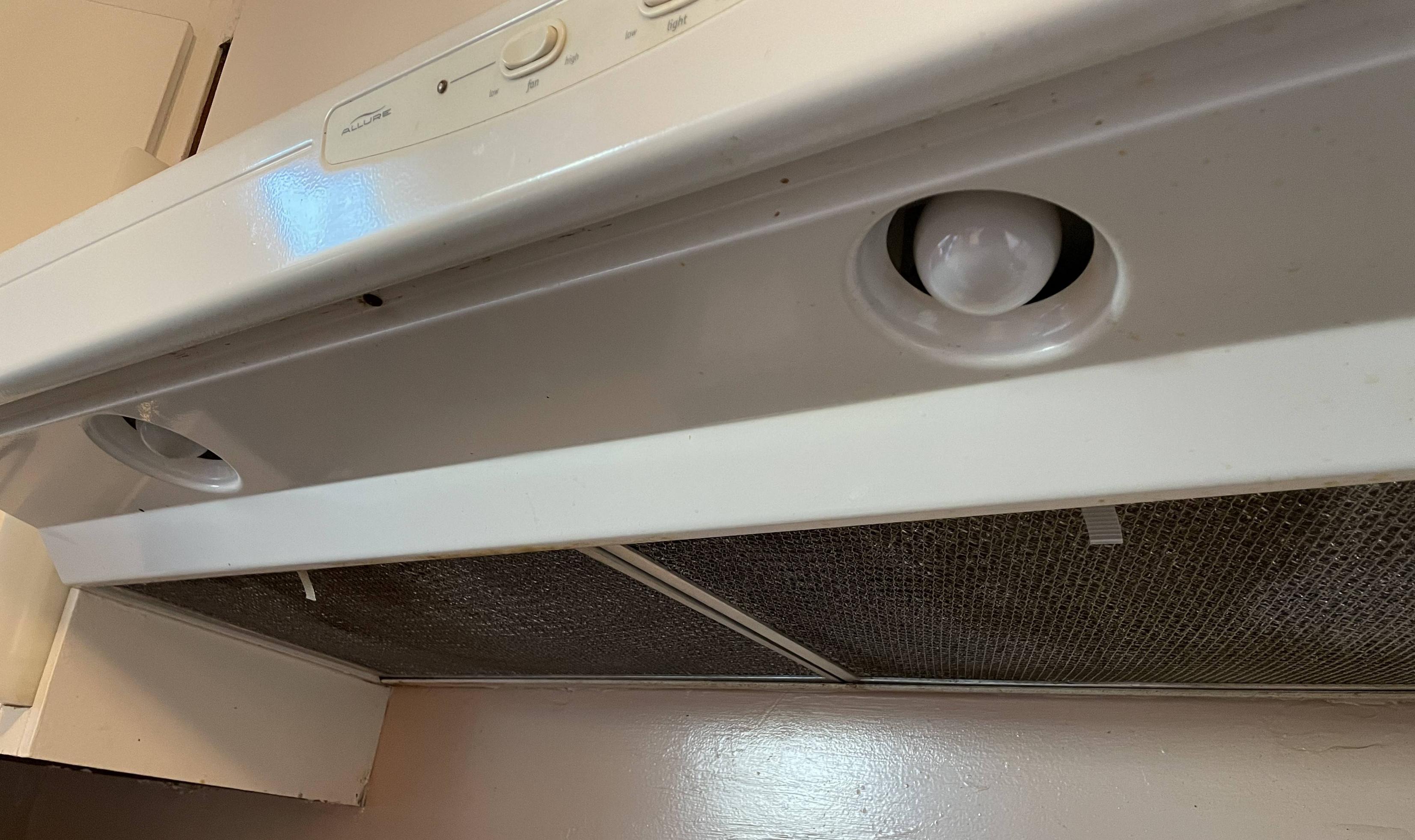
Credit: diy.stackexchange.com
Preventing Zephyr Hood Light Problems
A little maintenance can keep your hood light working longer and help you avoid surprise repairs. Prevention is often easier and cheaper than fixing broken parts.
Cleaning Tips
- Wipe down the light cover weekly to remove grease. Grease build-up blocks light and can damage covers.
- Clean around the bulb and socket with a dry cloth. Moisture can cause rust or short circuits.
- Avoid spraying water directly near the light. Use damp cloths instead of sprays.
Regular cleaning keeps bulbs and sockets working better. If you notice sticky or dirty areas, clean them right away.
Electrical Safety
- Don’t overload kitchen circuits with too many appliances. Too many devices on one outlet can cause voltage drops and flickering lights.
- If you notice flickering, check your home’s voltage. Use a voltage meter or ask an electrician.
Stable electricity helps your hood light last longer. If you live in an area with frequent power changes, consider a surge protector.
Regular Checks
- Inspect the bulb every 3-6 months. Replace old or dim bulbs before they fail.
- Check for loose wires after moving the hood or cleaning inside. Vibrations can shake connections loose.
Simple checks take only minutes but prevent big problems later. If you’re unsure, ask a friend or family member to help.
Upgrade To Led
LED bulbs last longer and use less power. If your Zephyr hood supports LED, it’s worth upgrading. LEDs also reduce heat, making your kitchen safer.
Some users report their LED upgrades paid off after just one year with fewer replacements and lower electricity bills. Always confirm compatibility before switching.
Zephyr Hood Models: Common Features And Differences
Zephyr offers many hood types. Understanding your model helps with troubleshooting and replacement. Some models have unique features or requirements.
Typical Zephyr Hood Families
- Wall-mounted hoods: Usually larger, more powerful, may have multiple lights. These are popular in larger kitchens.
- Island hoods: Mounted above kitchen islands, often more stylish. They usually have strong lighting for open spaces.
- Under-cabinet hoods: Compact, usually have one or two lights. Good for small kitchens or apartments.
- Insert hoods: Designed to fit into custom cabinetry. They blend with your kitchen but may require special bulbs.
| Model Type | Light Feature | Control Type | Bulb Compatibility |
|---|---|---|---|
| Wall-mounted | 2-4 bulbs | Mechanical/Electronic | Halogen/LED |
| Island | 2-6 bulbs | Electronic | LED |
| Under-cabinet | 1-2 bulbs | Mechanical | Halogen/Incandescent/LED |
| Insert | 2-4 bulbs | Electronic | LED |
Some Zephyr hoods have touch controls, while others use simple buttons or switches. Knowing your control type helps with troubleshooting and repairs.
How Model Affects Repairs
- Electronic controls are more likely to need professional repair. They have more parts and sometimes software issues.
- Older models may have simpler wiring but harder-to-find parts. If your hood is over ten years old, finding bulbs or switches may require searching online.
- Always confirm bulb type and socket before buying replacements. Some sockets look similar but are not interchangeable.
If you’re unsure about your model, contact Zephyr support or check your manual. This avoids wasting money on the wrong parts.
Real-life Examples And Data
Many homeowners report hood light failures every year. According to appliance repair forums, lighting issues make up nearly 12% of all Zephyr hood service calls. Most are fixed with a bulb change, but about 28% require deeper repairs.
Example 1: Bulb Replacement
Sarah, from New York, noticed her Zephyr hood light stopped working. She tried two bulbs, but neither worked. After checking the fuse, she found it was blown. Replacing the fuse solved her problem. Sarah learned to check fuses first, especially after a power surge.
Example 2: Control Board Failure
Mike, a landlord in San Francisco, had a Zephyr hood where the light and fan stopped working. A technician diagnosed a failed control board. The repair cost $320, but the hood worked perfectly afterwards. Mike decided to use professional help since the hood was still under warranty.
Example 3: Socket Damage
Anna cleaned her kitchen and accidentally sprayed water inside the hood. The next day, the light was flickering. Inspection showed corrosion on the bulb socket. After cleaning and drying, the light worked again. Anna now cleans her hood more carefully and checks for moisture after cleaning.
These real-life cases show that simple steps—checking fuses, avoiding moisture, and knowing when to call a pro—can save time and money.
Warranty And Support
Zephyr hoods usually come with a one-year warranty for parts. Lighting issues may be covered, but only if you haven’t tampered with the hood or used the wrong bulb. Warranties help cover repair costs and ensure quality parts.
How To Use Your Warranty
- Keep your purchase receipt and model information. Without these, warranty claims may be rejected.
- Contact Zephyr support before starting repairs. They may ask for photos or details.
- Describe the issue clearly and mention troubleshooting steps you’ve tried. This speeds up the process and shows you’ve followed instructions.
If you’re unsure about what’s covered, ask Zephyr support. They can explain limits and help with claims.
Support Resources
Zephyr offers online manuals, troubleshooting guides, and customer service. For complex repairs, use their official technician network. For more information, visit the official Zephyr support site at Zephyr Support.
Using official resources ensures you get correct parts and expert help. Avoid unauthorized repairs—they can void your warranty.

Credit: www.amazon.com
Frequently Asked Questions
Why Does My Zephyr Hood Light Flicker?
Flickering usually means the bulb is loose or the socket is corroded. Tighten the bulb or clean the socket. If flickering continues, check your home’s voltage or the hood’s wiring. Sometimes, flickering happens after cleaning—if so, let the hood dry and check again.
Can I Use Led Bulbs In My Zephyr Hood?
Most newer Zephyr hoods support LED bulbs. Check your manual for compatibility. Older models may need an adapter or special LED bulbs. If your hood doesn’t support LEDs, stick with halogen or incandescent bulbs.
How Do I Reset My Zephyr Hood?
Turn off power at the circuit breaker for 5-10 minutes. This can reset electronic controls. If the light still doesn’t work, deeper troubleshooting is needed. Sometimes, resetting also fixes fan speed or display problems.
What Should I Do If The Light Works But Is Very Dim?
A dim light often means the bulb is old or the voltage is too low. Replace the bulb. If it stays dim, check for wiring issues or socket damage. Dim lights can also result from dirty covers—clean them regularly.
Is It Safe To Repair The Hood Myself?
Simple repairs like bulb changes and fuse replacements are safe if you unplug the hood first. For anything involving wiring or control boards, consider professional help. Always use proper tools and follow safety steps.
Getting Your Zephyr Hood Light Working Again
A broken hood light makes cooking harder, but most problems are simple to fix. Start by checking the bulb, switch, and fuse. Remember to use the correct bulb type, handle parts carefully, and keep safety first. If you face a complex issue, such as a control board failure or major wiring damage, don’t hesitate to call a technician or use your warranty.
Taking care of your Zephyr hood means more than just keeping it clean—it ensures your kitchen stays bright and safe every day. With these tips and steps, you can solve most lighting problems and enjoy your kitchen again.
Remember, a well-lit kitchen is not only safer but more enjoyable for cooking and family time. Regular maintenance, careful troubleshooting, and choosing the right parts will keep your Zephyr hood working perfectly for years. Even if you run into a tough problem, you now know how to diagnose, repair, and get help when needed.